ICOC PHILIPPINES: A STORY OF FAITH, RESILIENCE, AND RENEWAL
Across the bustling streets of Metro Manila and far-flung provinces of the Philippines, a quiet revolution of faith has been unfolding for nearly 37 years. From 28 disciples who left their homes, careers, and families to follow God’s call, the ICOC Philippines has grown into 39 churches and 12 sectors in Metro Manila, touching the lives of thousands.
The journey of ICOC Philippines mirrors the promise of Isaiah 44:4-5, which speaks of people flourishing like “well-watered grass… by streams of running water.” Time and again, the church has rooted itself deeply in God’s word, drawing strength from communal faith, service, and discipleship.
This series explores the history, challenges, and renewal of ICOC Philippines, tracing a story of faith that continues to inspire and transform lives nationwide and beyond.
FROM BOSTON TO MANILA — A GLOBAL MOVEMENT FINDS ROOTS IN THE PHILIPPINES
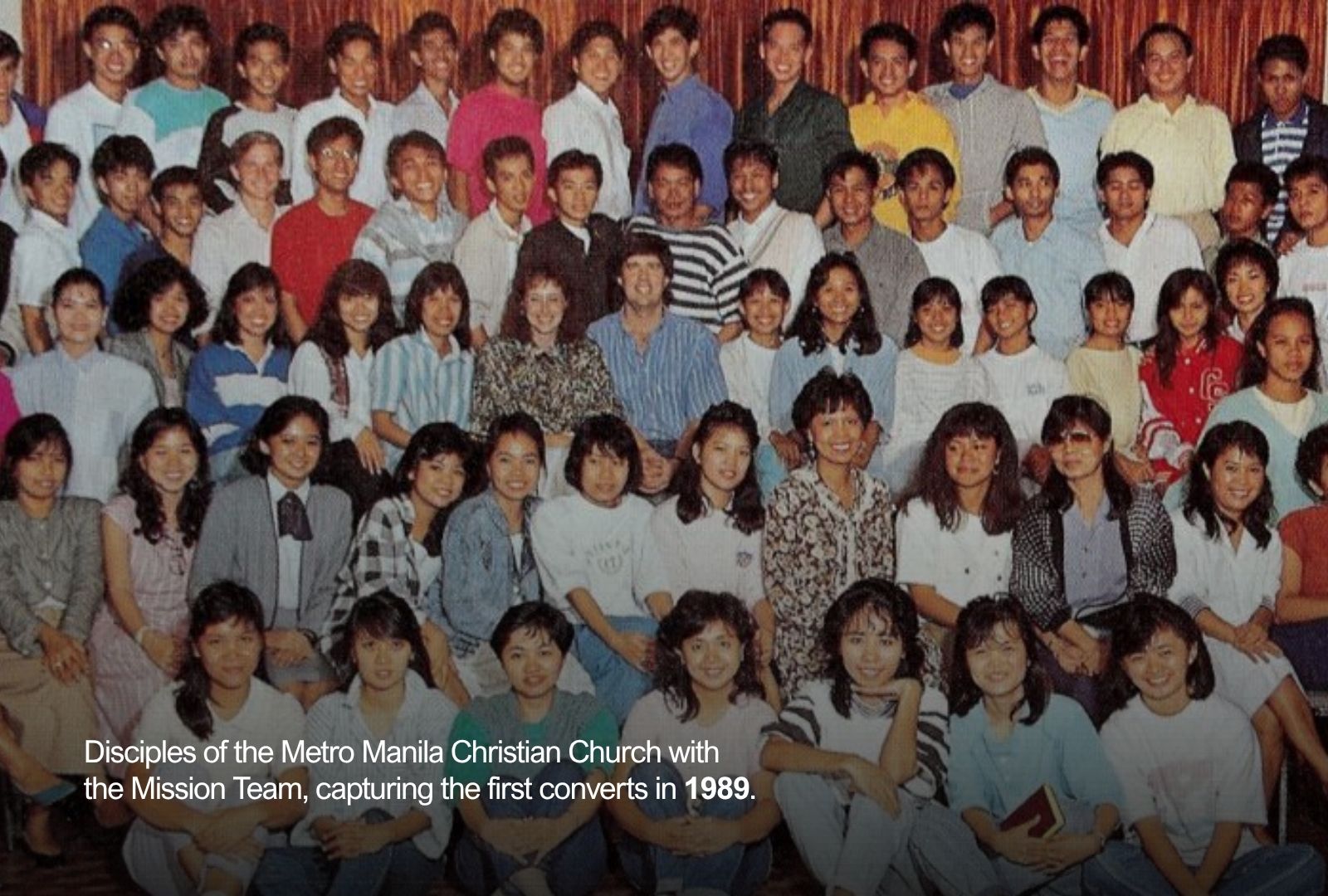
When 28 young disciples arrived in the Philippines in 1989, they carried little more than faith, conviction, and a shared belief that the Great Commission could be lived out in one generation. They came from the United States, many leaving behind promising careers, stable lives, and family ties. What they carried with them was a missionary vision that had taken shape in Boston — one that emphasized evangelism, personal discipleship, and planting churches that could quickly raise and send new leaders. That approach had already helped small congregations grow into global church-planting centers, a model the missionaries hoped to bring to the Philippines.
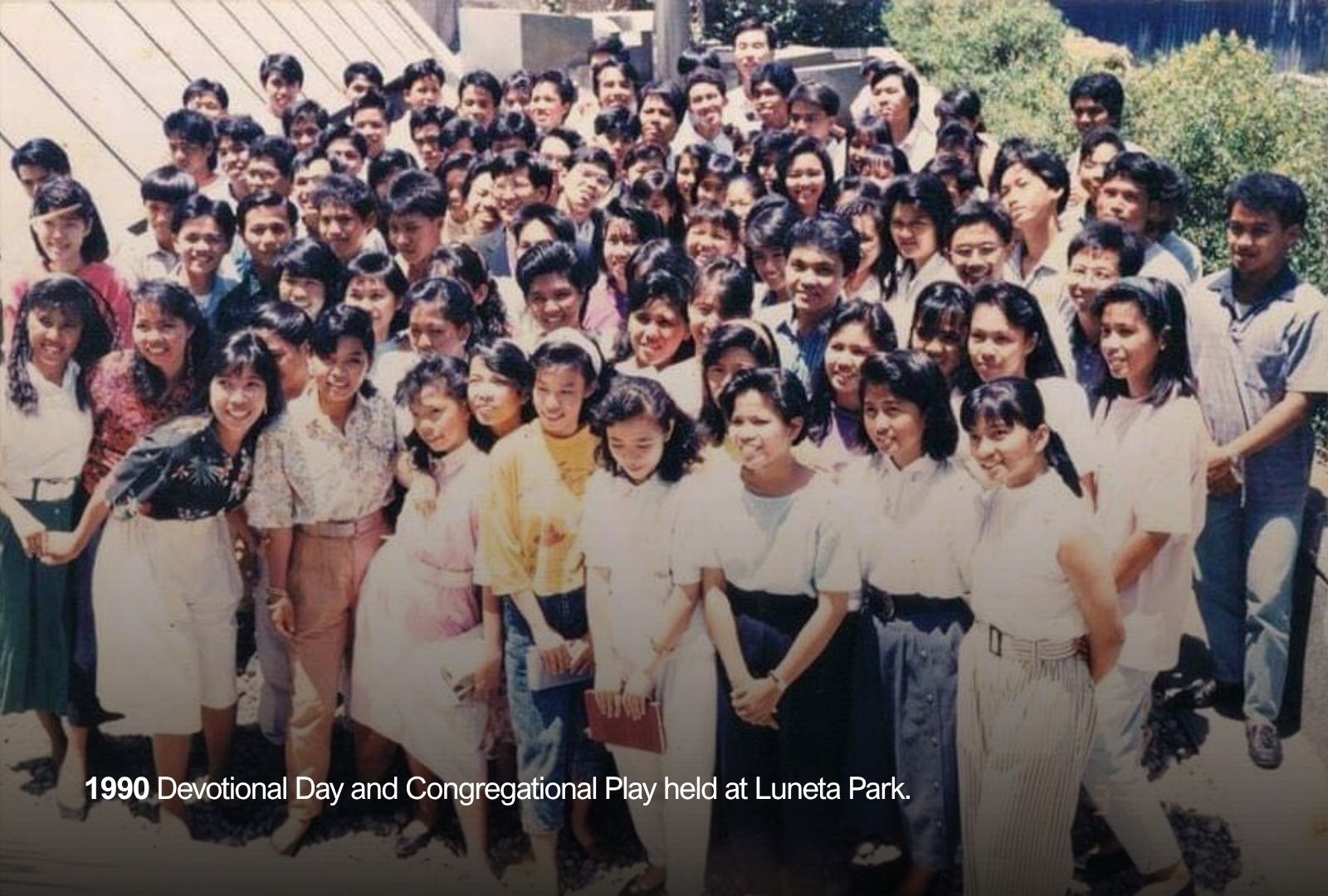
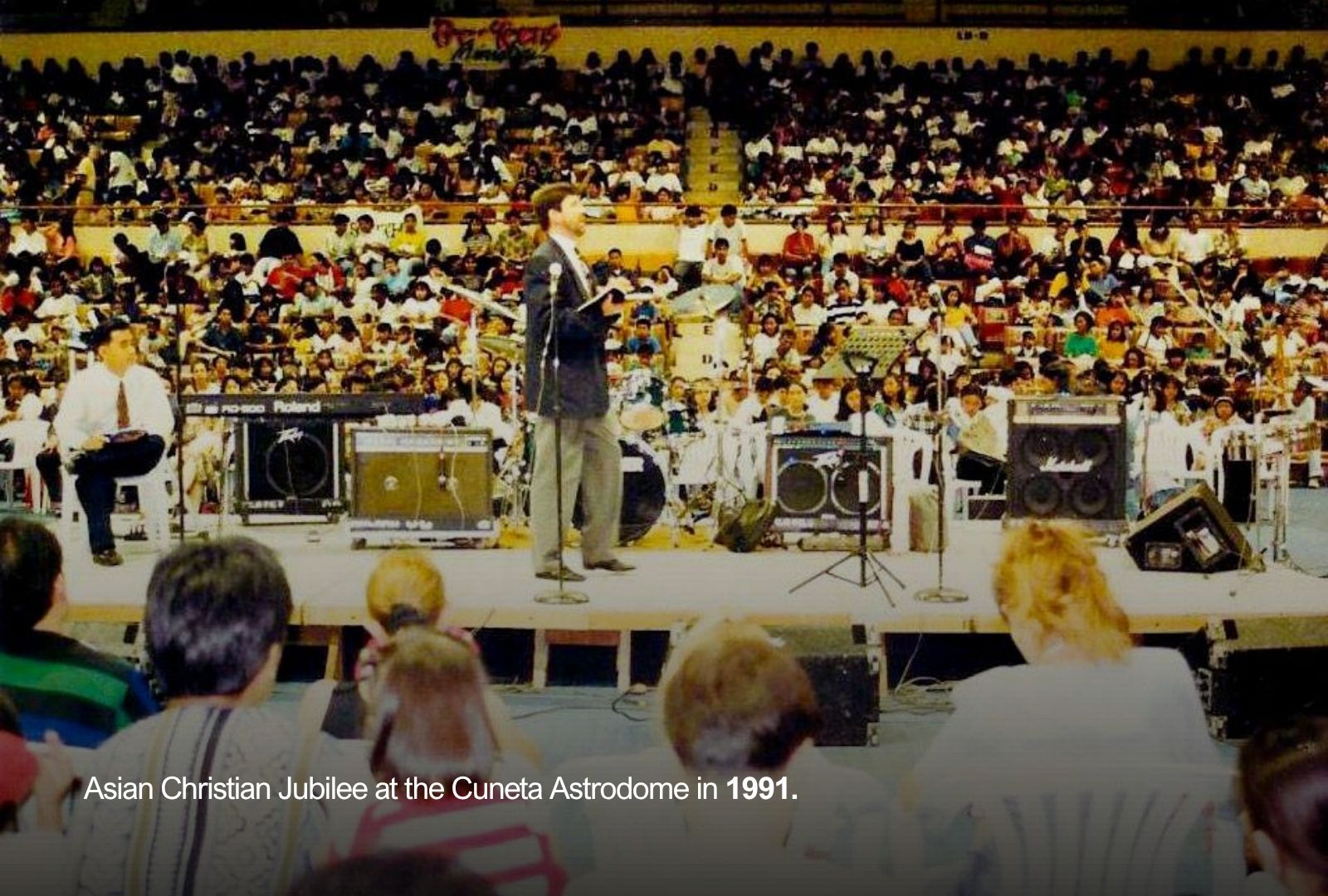
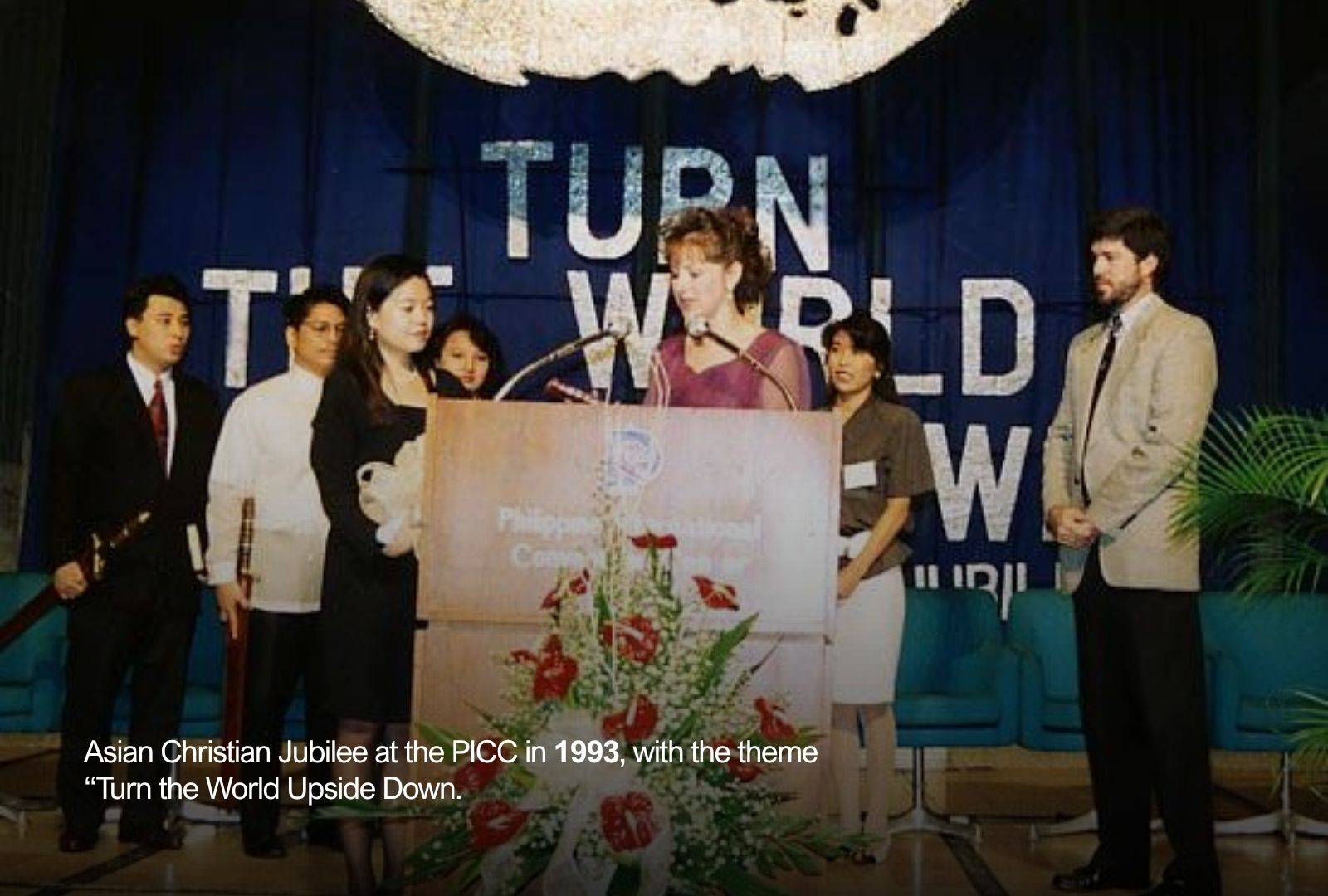
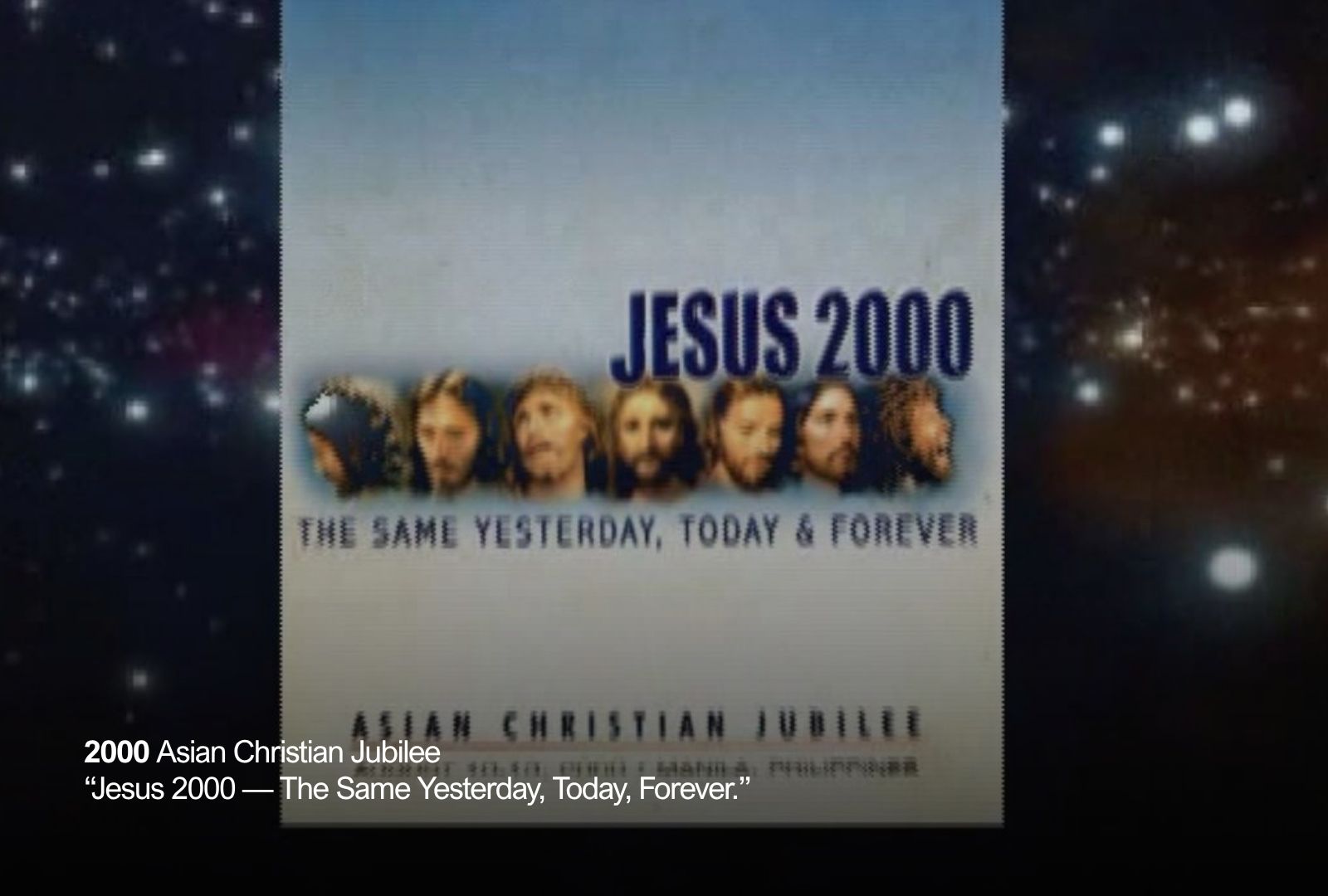
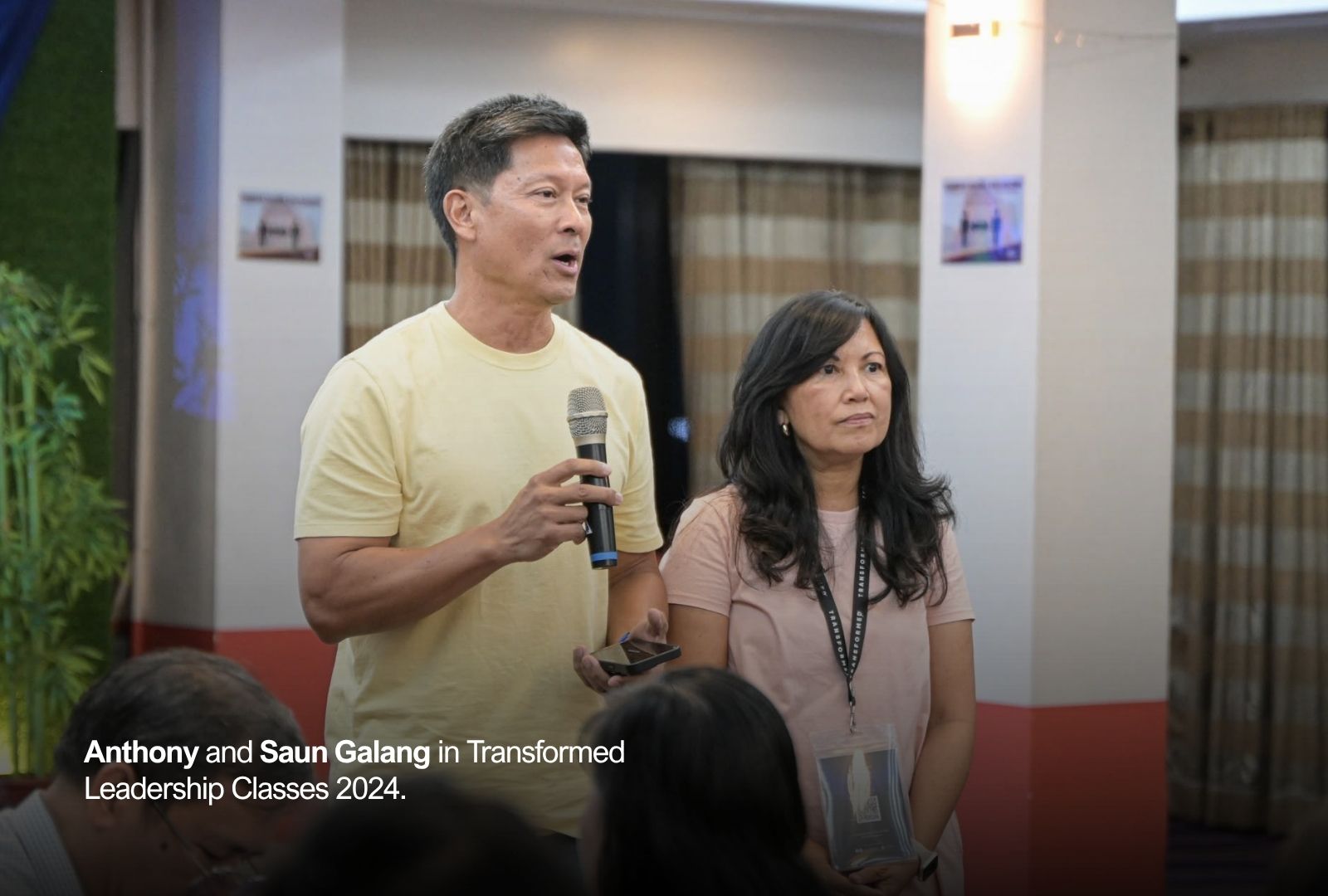
The first worship service in Manila drew 260 people. Within a year, 400 baptisms followed. Filipino leaders Anthony and Saun Galang soon assumed leadership of the church, while congregations were planted in Baguio City and Cebu. Regional gatherings, known as Asian Christian Jubilees, drew thousands, establishing the Philippines as a strategic hub for missions in Asia.
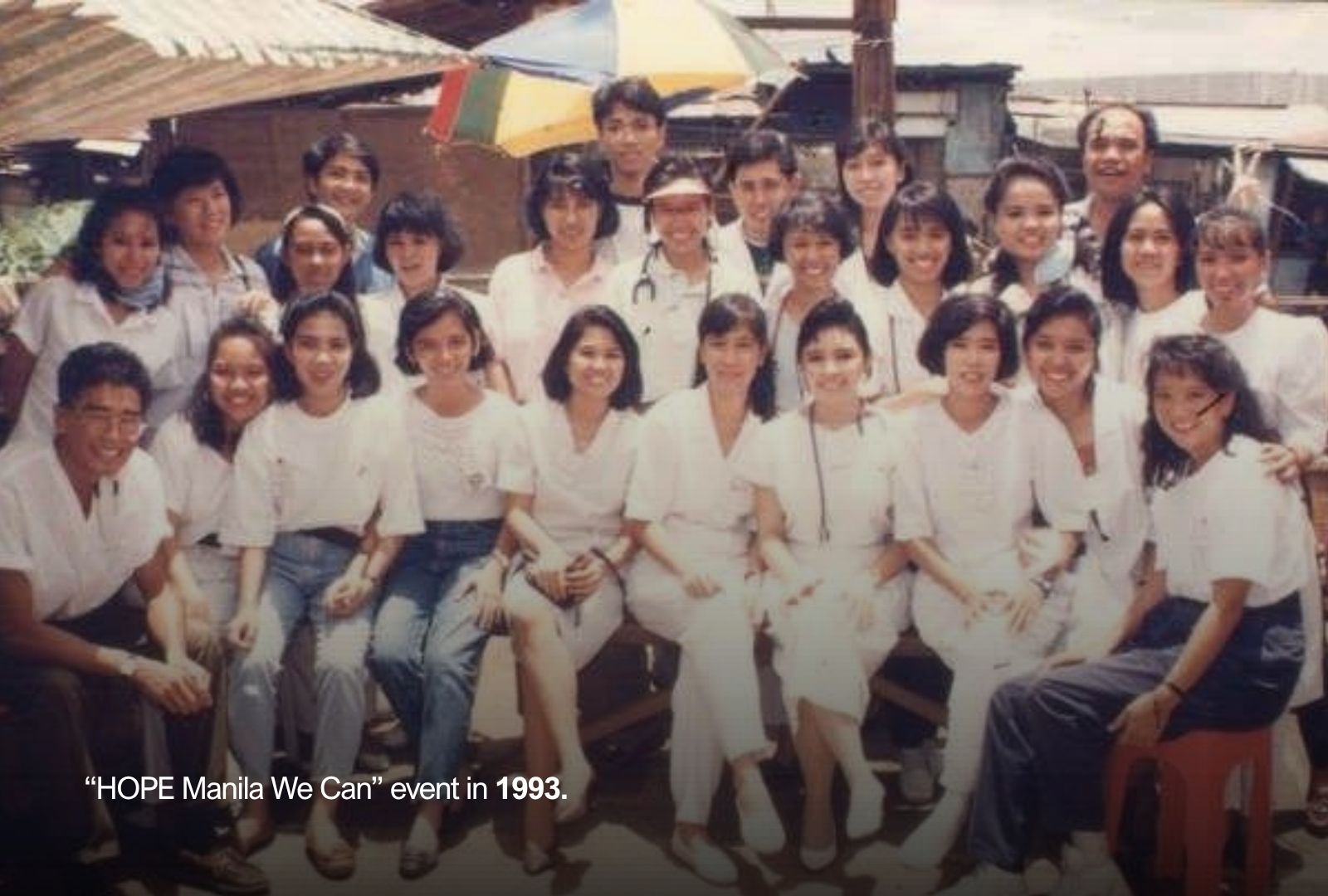
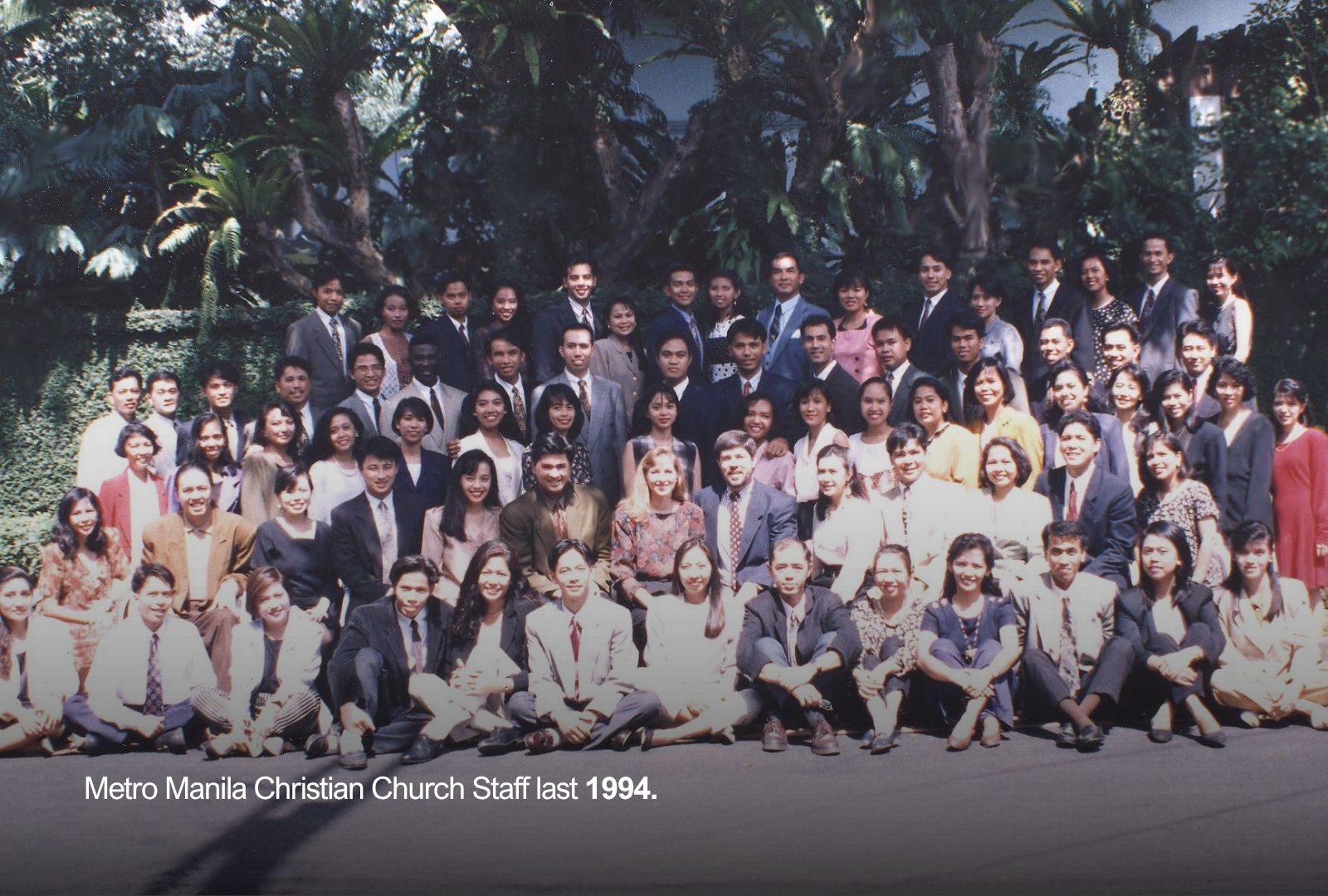
Beyond preaching, the church launched HOPE projects, community-based efforts that combined faith with service. Medical missions, youth outreach, and relief work followed, including initiatives in Metro Manila’s most vulnerable communities such as Smokey Mountain and Baseco. By the mid-1990s, congregations spanned Luzon, Visayas, and Mindanao. Manila also hosted the first HOPE Youth Corps worldwide, highlighting the country’s central role in the movement.
By the end of its first decade, ICOC Philippines stood among the fastest-growing congregations outside the United States — energetic, expanding, and committed to outwardly living faith.
But rapid growth would soon test its foundations.
LEADERSHIP STRAIN, TRANSITION, AND A GLOBAL RECKONING
By the late 1990s, the International Churches of Christ had become one of the most ambitious missionary movements. The Philippine church faced a reality shared by much of the global movement: growth had slowed, retention had weakened, and questions about leadership practices grew louder.
Yet the same systems that fueled growth — centralized authority, intensive discipling relationships, and performance-driven expectations — also produced growing tension.
Concerns surfaced across regions about authoritarian leadership, pressure in discipling relationships, and blurred boundaries between spiritual guidance and control. While some leaders defended these practices as necessary for faithfulness, others warned of spiritual harm.
By 2002, the highly centralized leadership structure began to loosen. Churches around the world reexamined long-held assumptions about authority, discipling, and governance.
The reckoning intensified in 2003, when former elder Henry Kriete circulated a detailed letter describing years of unhealthy practices and abuses within the movement. The document sparked intense debate, repentance, and reform efforts across the ICOC worldwide.
In the Philippines, the effects were immediate and painful.
Many Filipino-American missionaries returned to the United States. Overseas financial support declined. Of nearly 100 full-time staff members, only about 20 locally converted leaders remained. Church membership fell sharply, from roughly 5,000 to about 2,000, as trust eroded and long-suppressed concerns surfaced.
Some members cited issues that echoed the global conversation: hierarchical leadership, a results-driven culture, lifestyle disparities, and salary inequities. Provincial churches, heavily dependent on foreign support, struggled to survive.
Yet the crisis also forced a decisive shift.
As foreign leadership withdrew, Filipino disciples stepped forward.
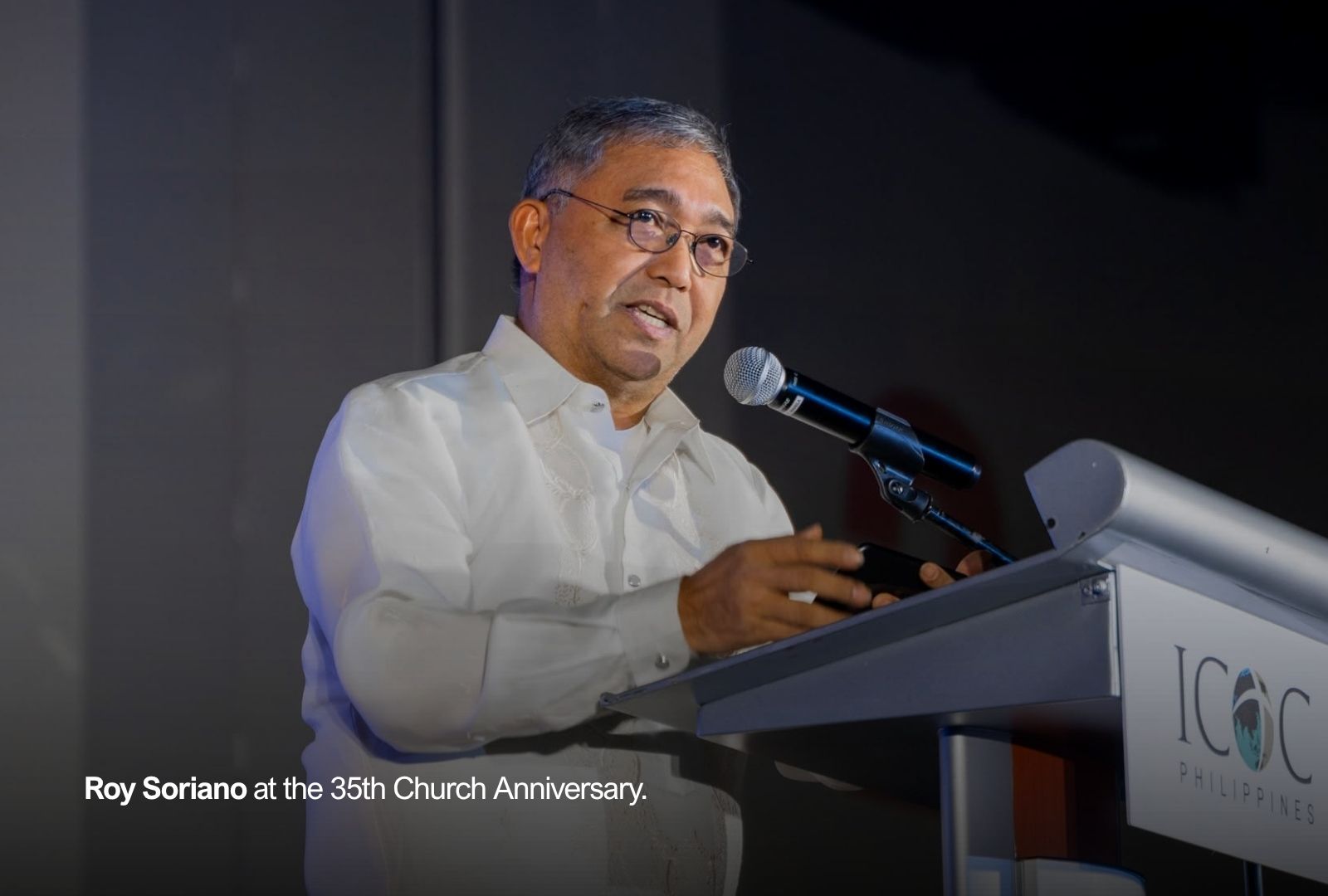
Professionals within the church, including Rico Salcedo and Roy Soriano, helped facilitate reconciliation and organizational reform. Locally converted leaders assumed key roles. Governance structures were strengthened. Boards of trustees and congregational committees were formed. Financial systems were rebuilt to ensure accountability and sustainability.
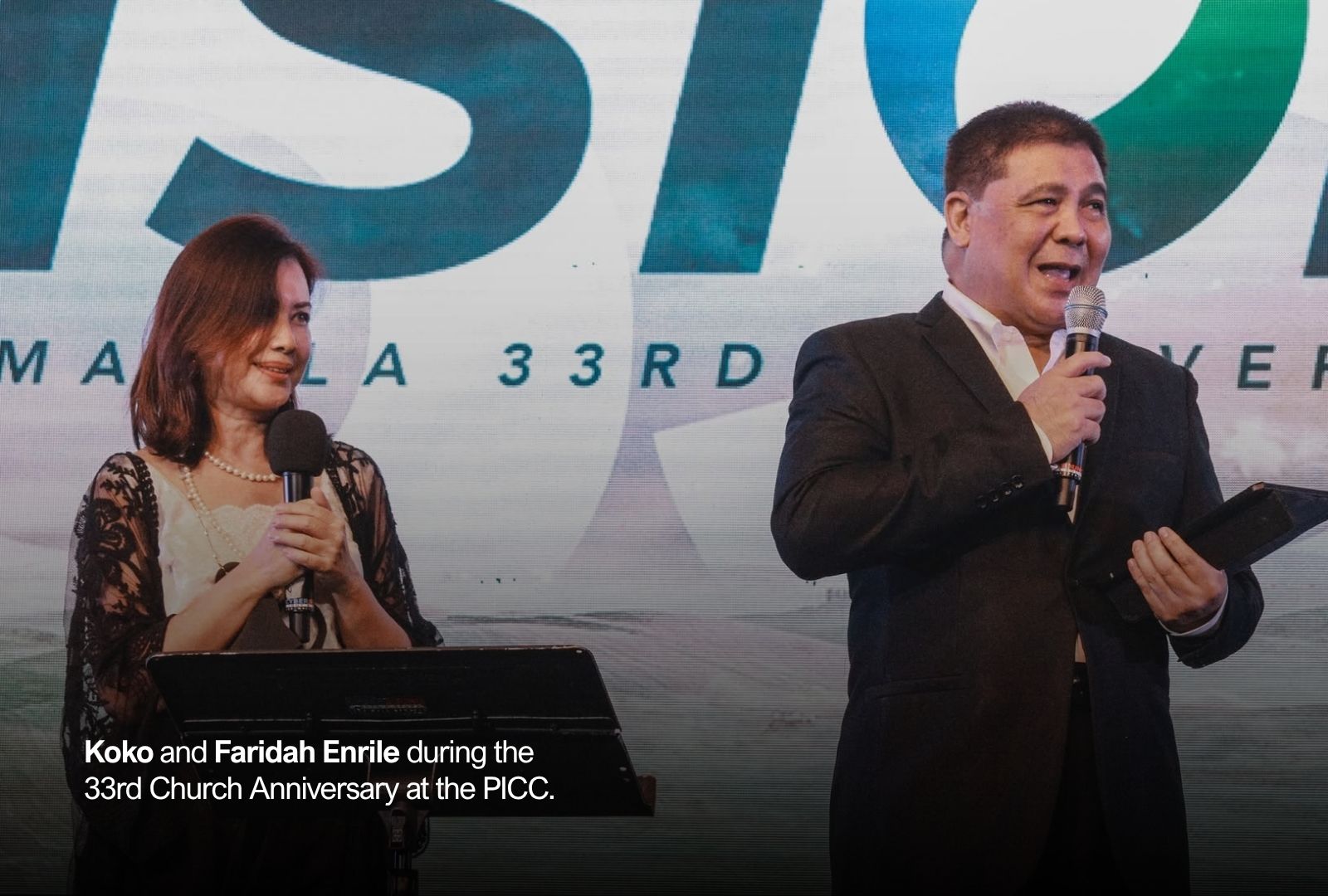
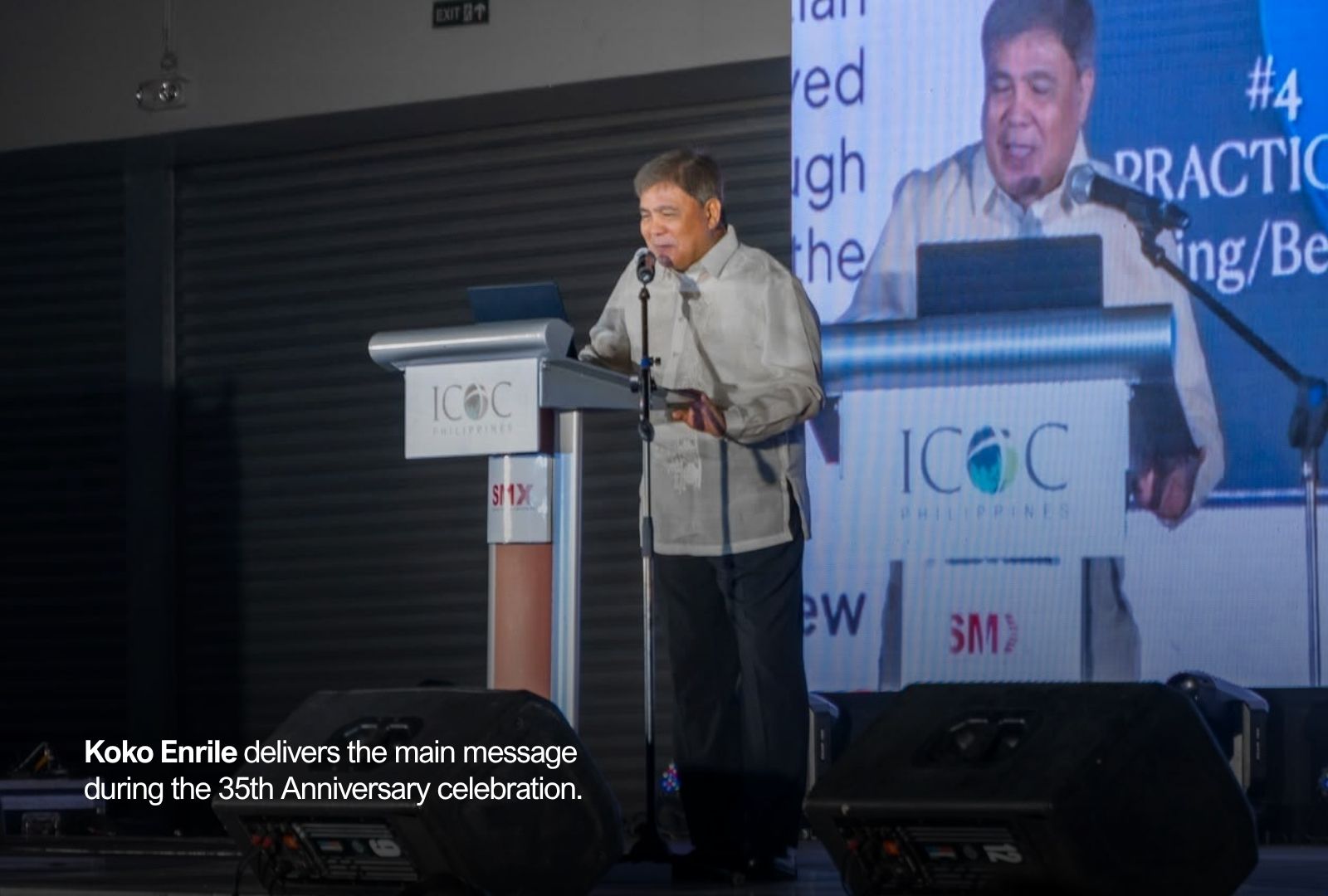
Evangelist and women’s ministry leader Koko and Faridah Enrile spearheaded initiatives to raise funds for support from churches abroad.
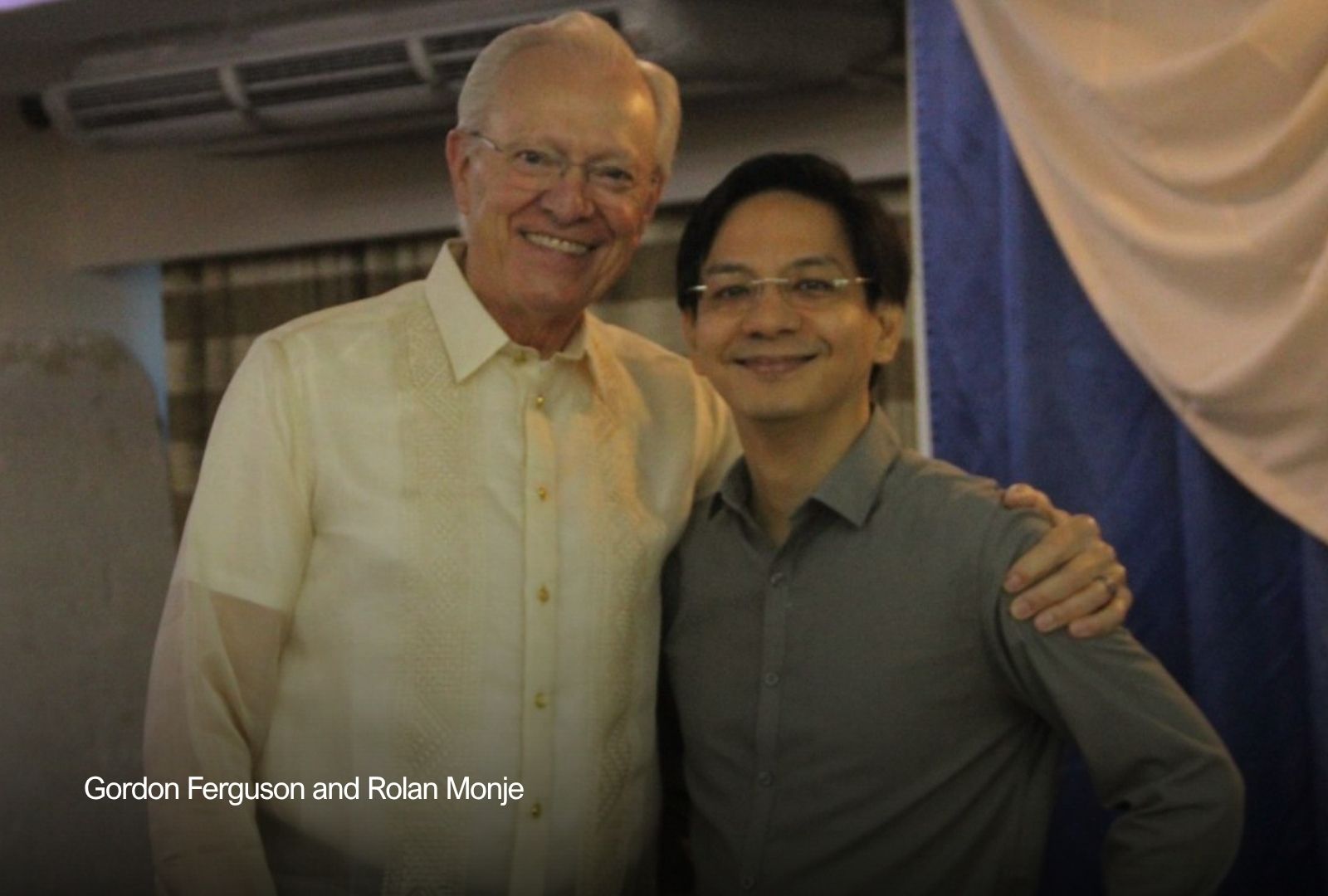
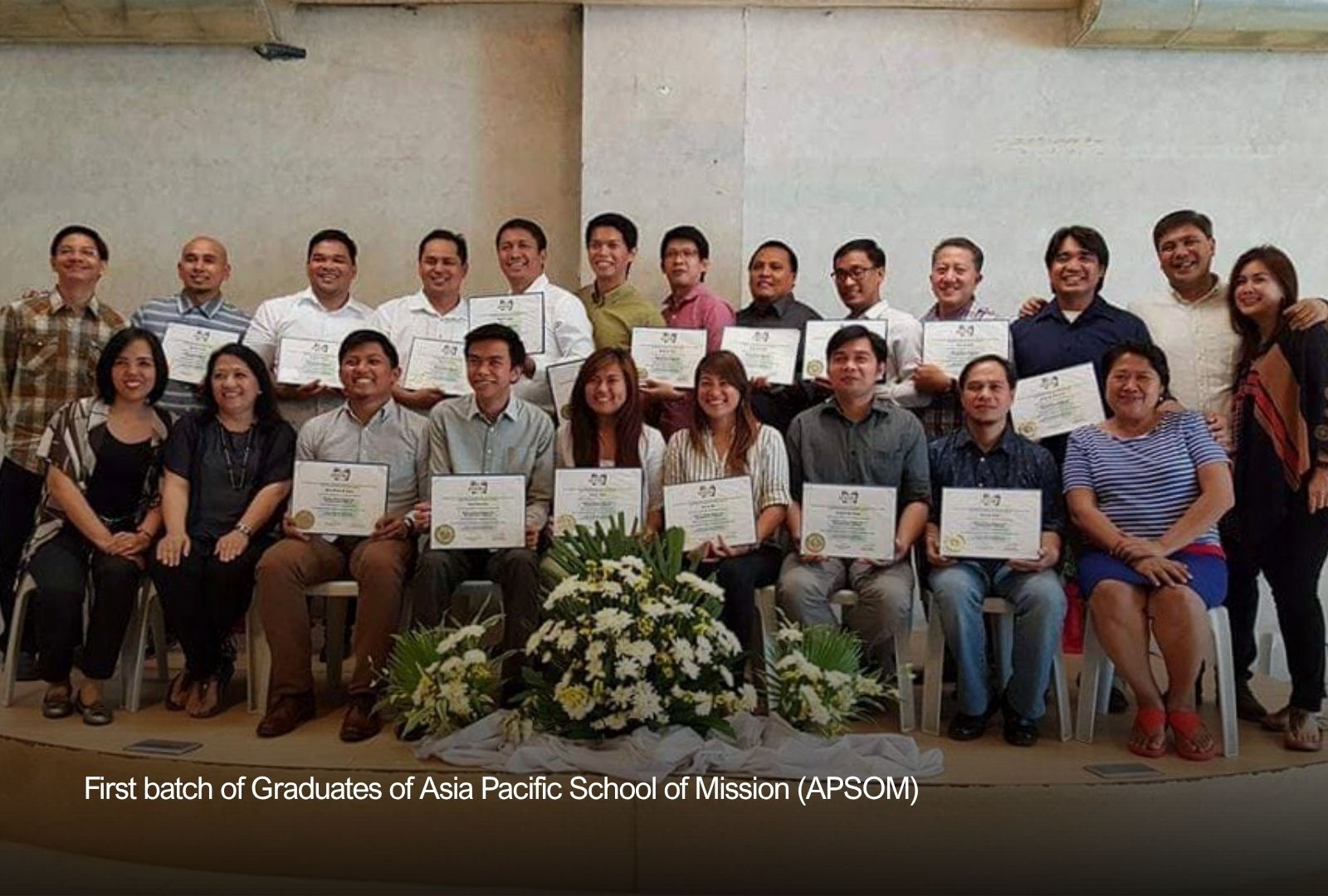
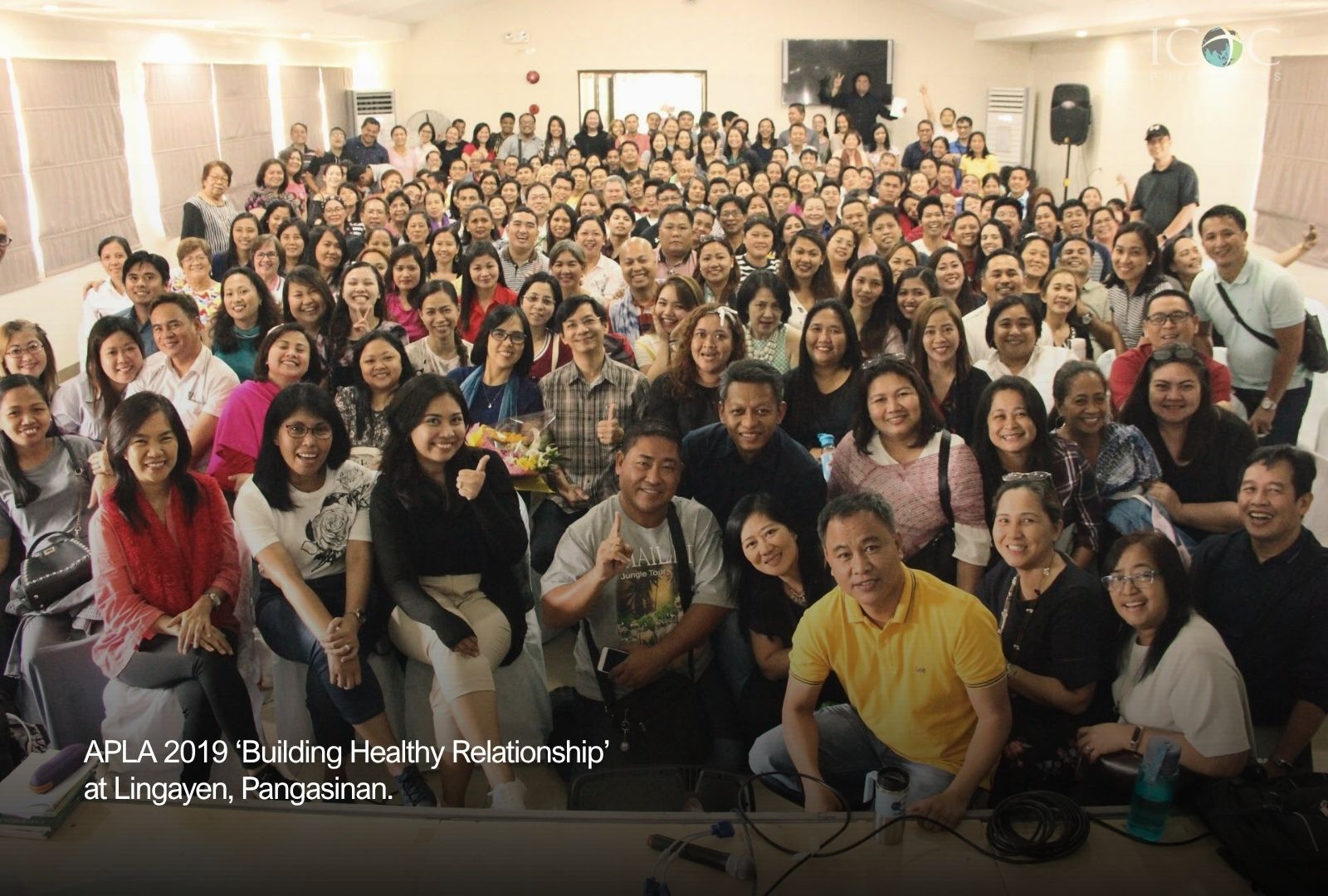
Veteran leader Gordon Ferguson, an elder from the United States, provided stability during the transition. With his wife, Theresa, he focused on training Filipino leaders and encouraging outside churches to continue supporting the work. Their efforts helped anchor long-term leadership development through the Asia Pacific Leadership Academy, later the Asia Pacific School of Mission.
RESILIENCE AND A CHURCH RENEWED
By the mid-2000s, the church had begun to heal.
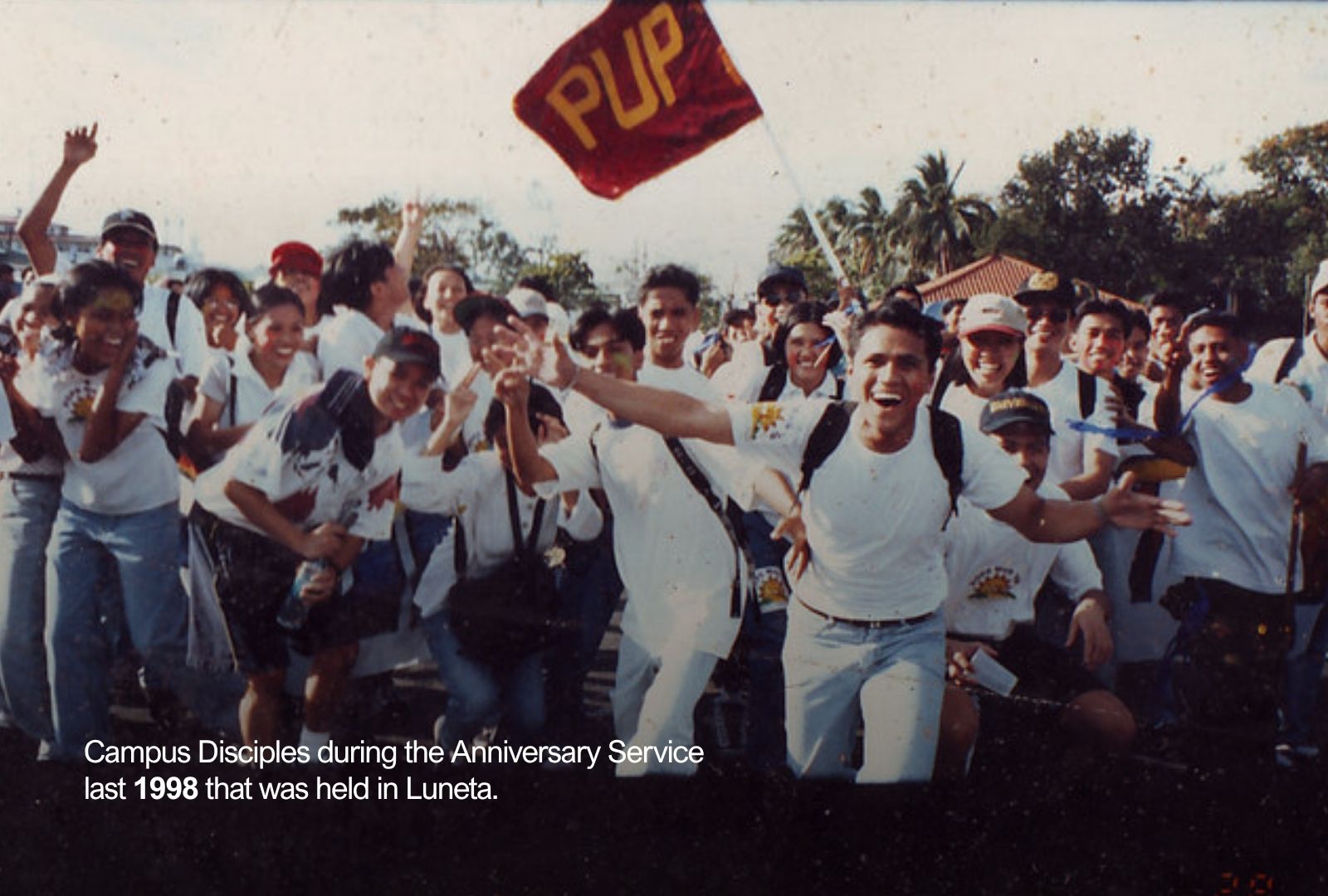
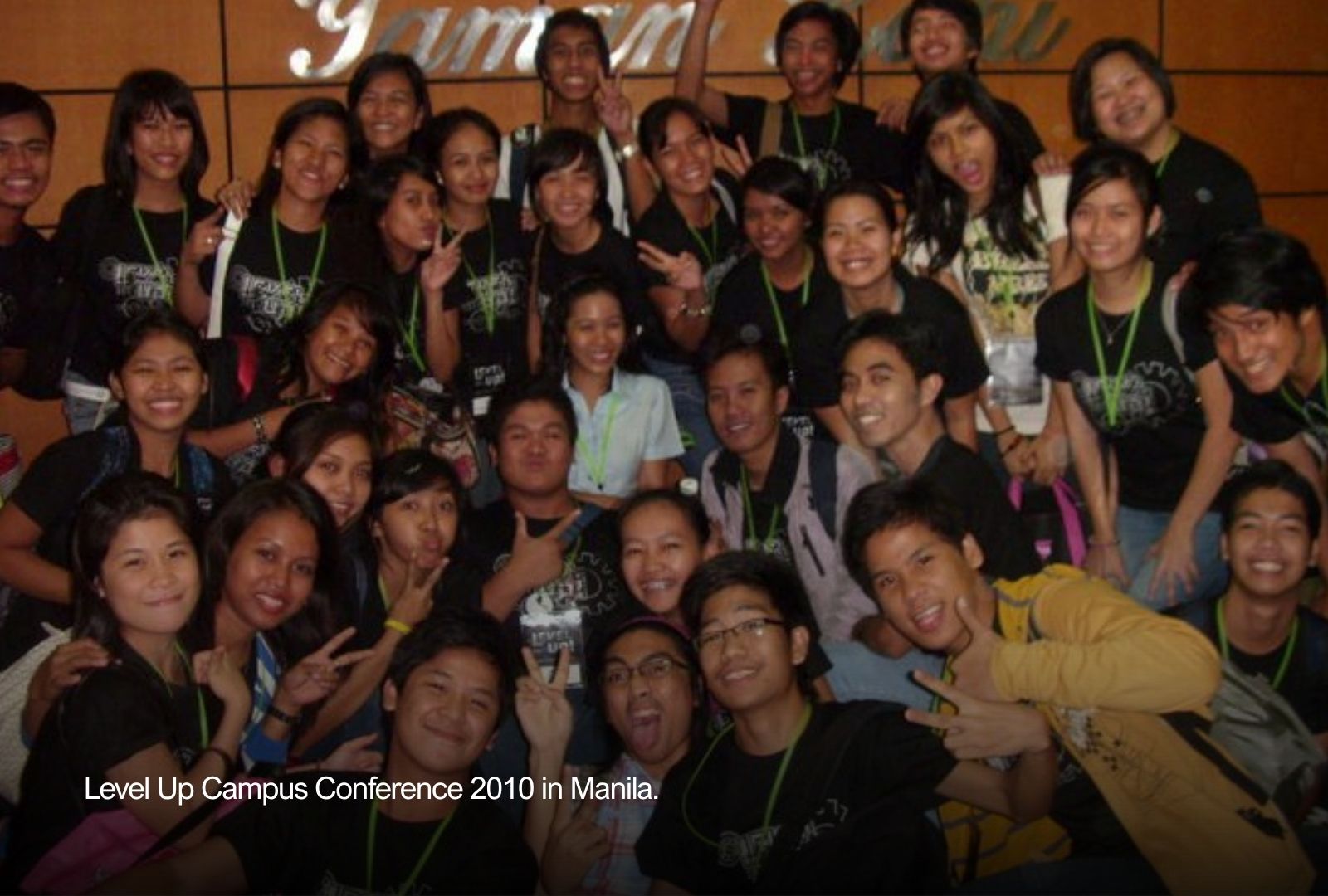
New congregations were planted. Youth, family, and campus ministries matured. Worship styles and leadership practices were adapted more intentionally to Filipino culture.
In 2017, all congregations unified under one national identity, ICOC Philippines, marking a clear transition to locally led churches.
The rebuilding was slow, often quiet, and deeply personal. But it restored something essential: trust.
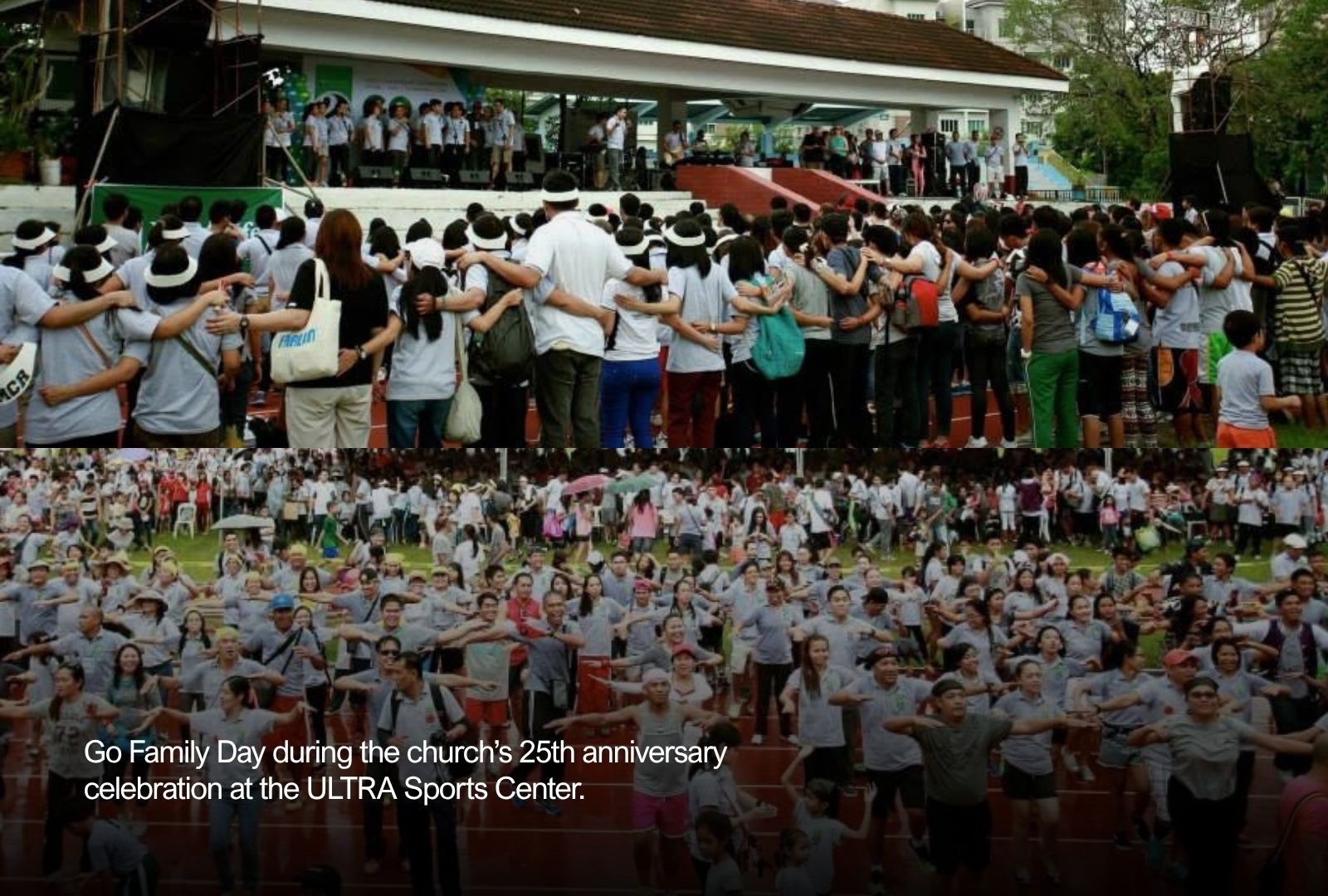
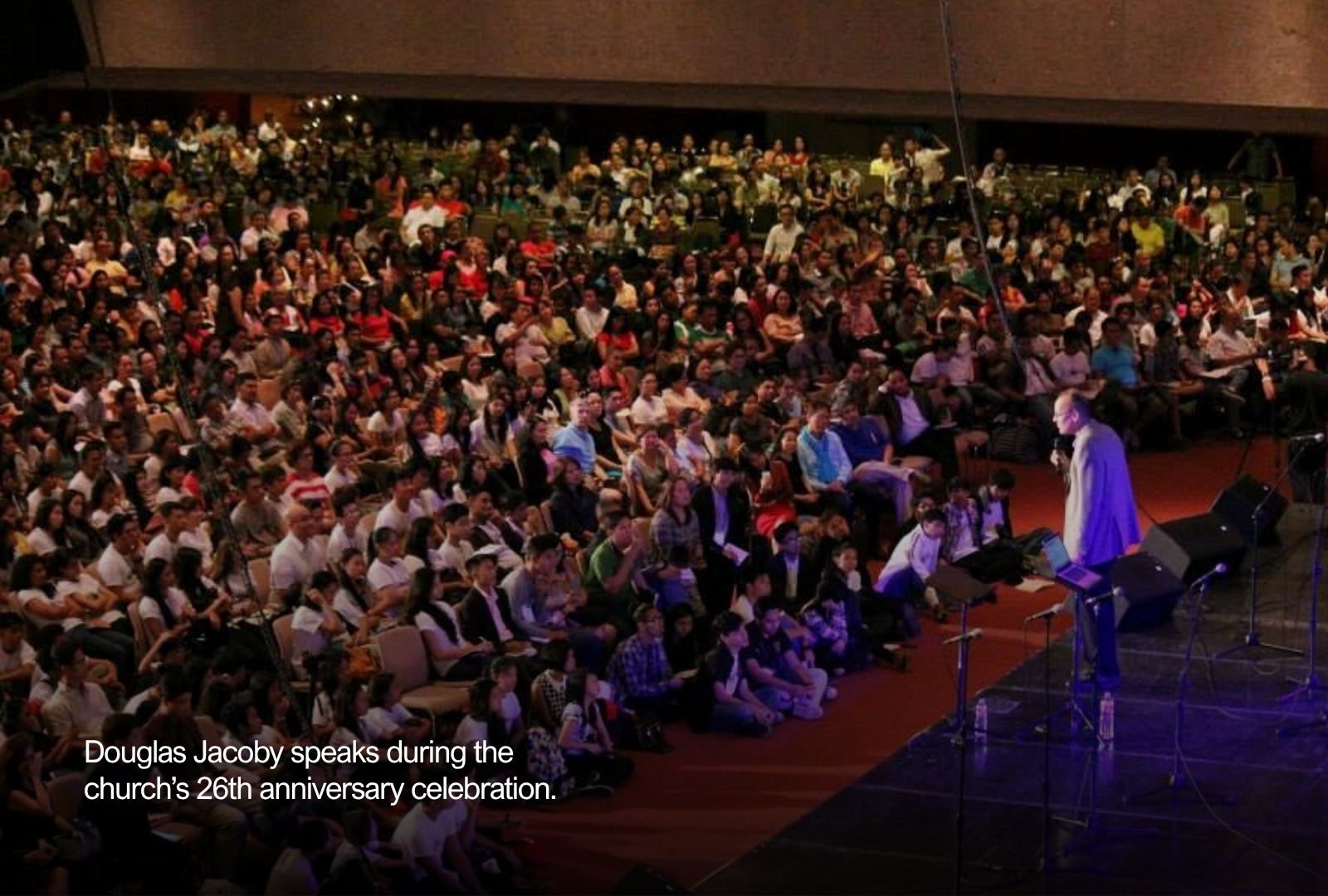
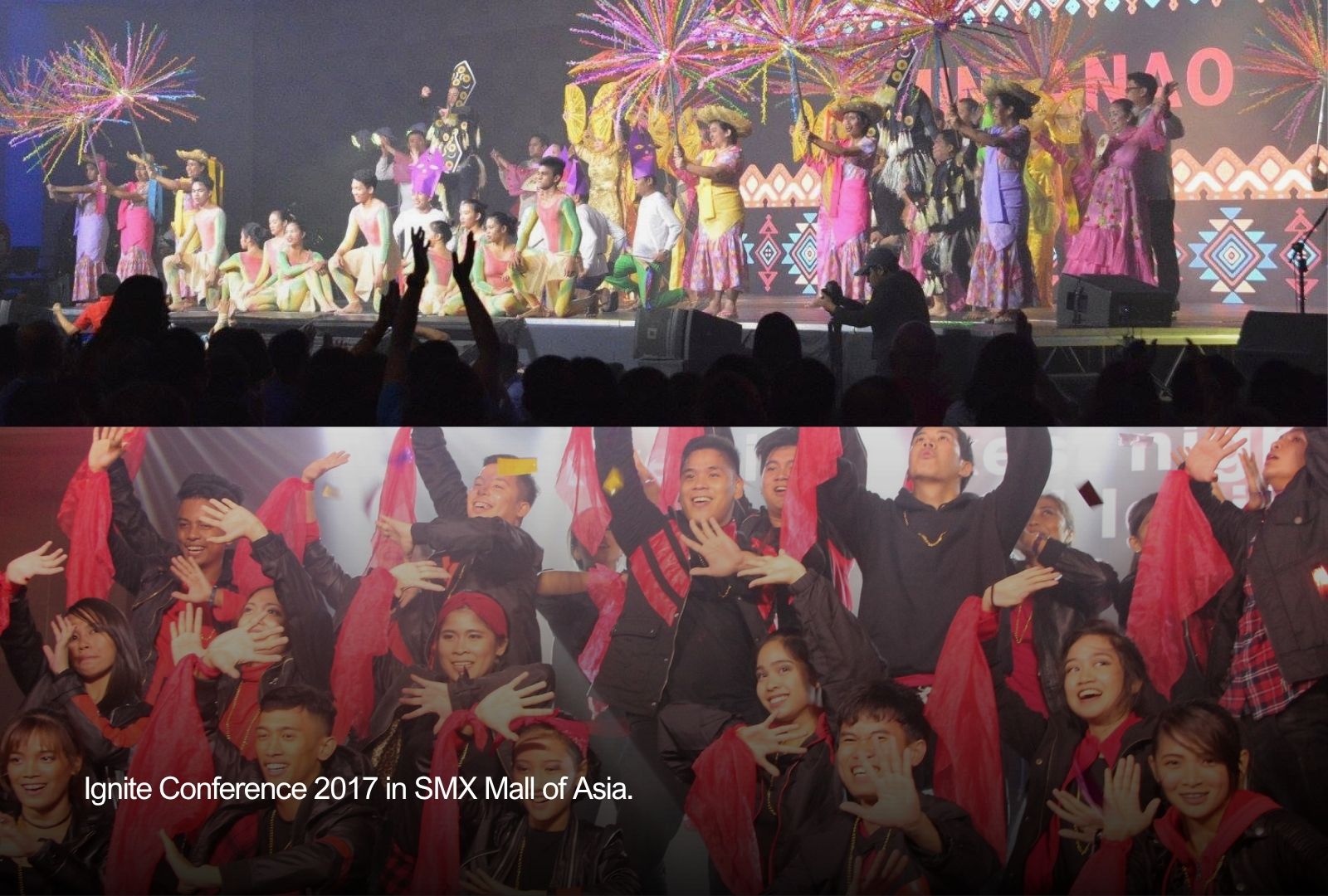
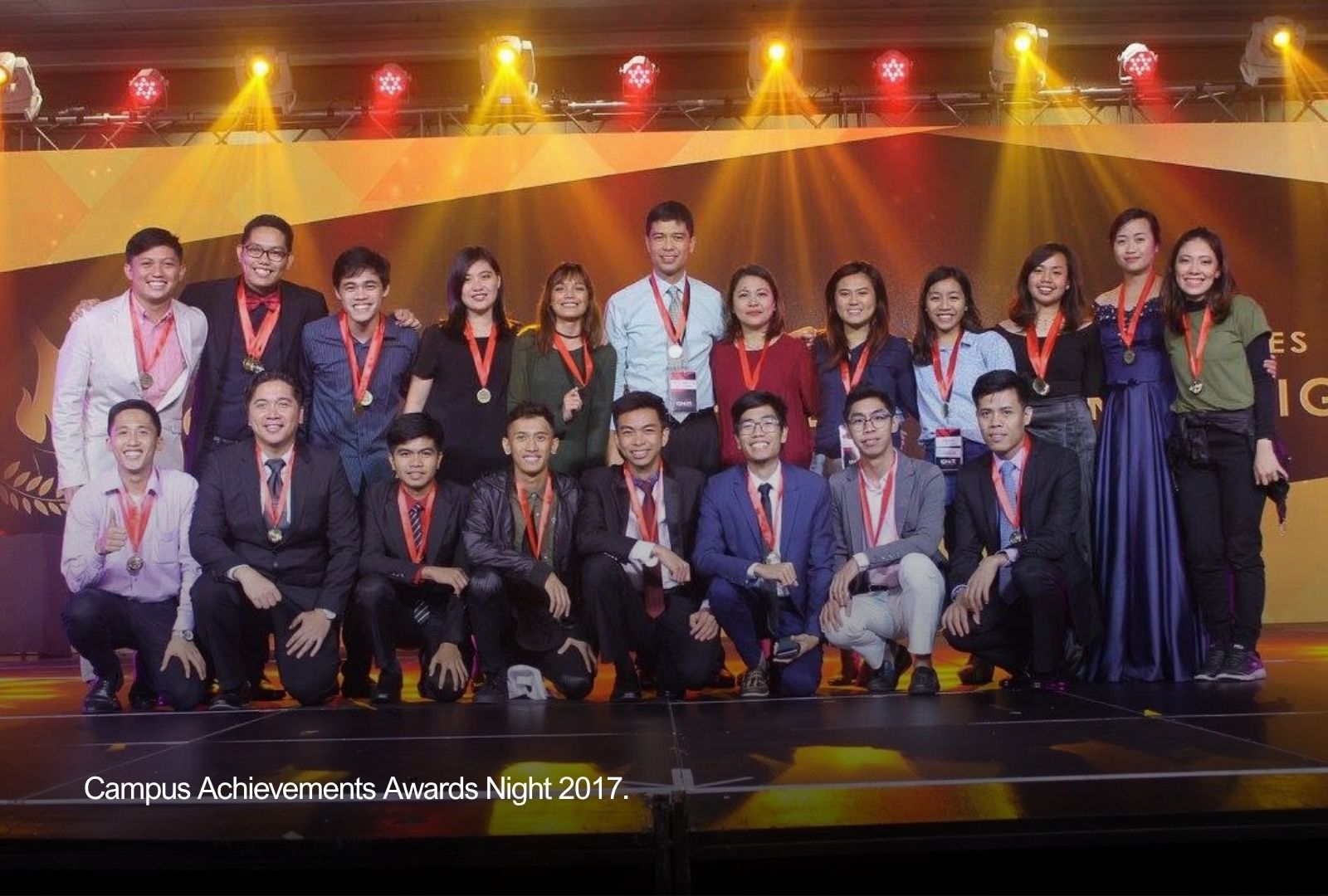
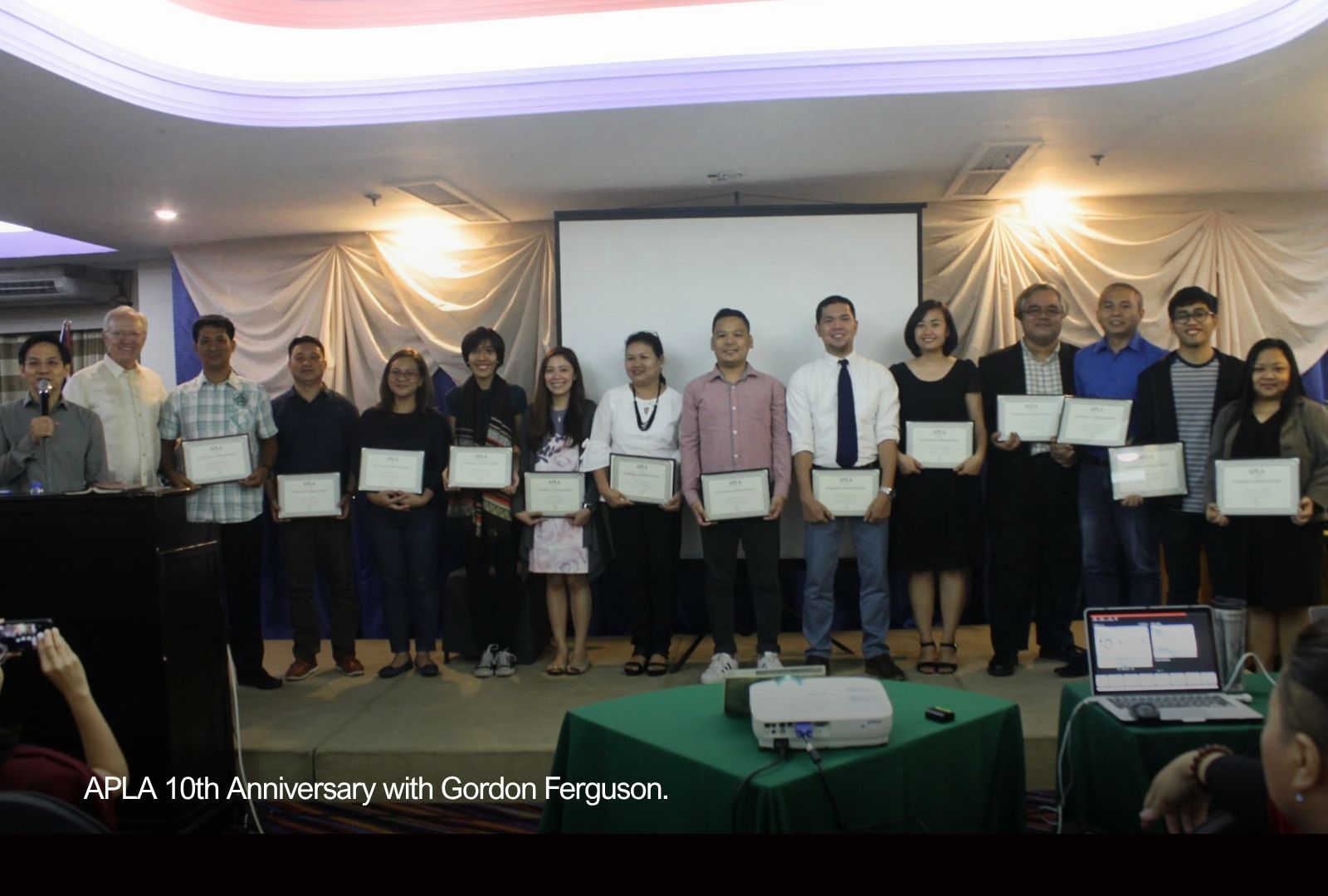
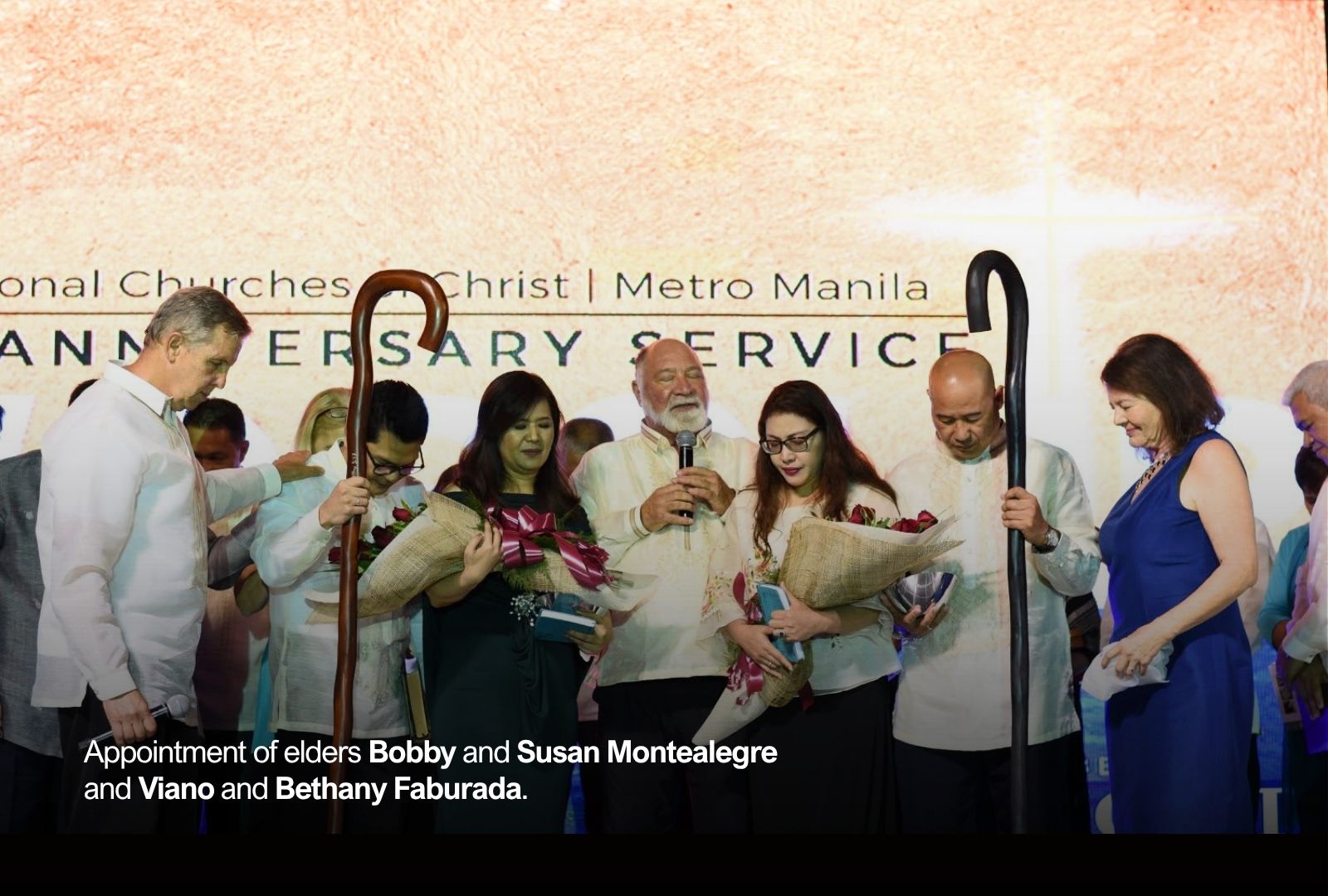
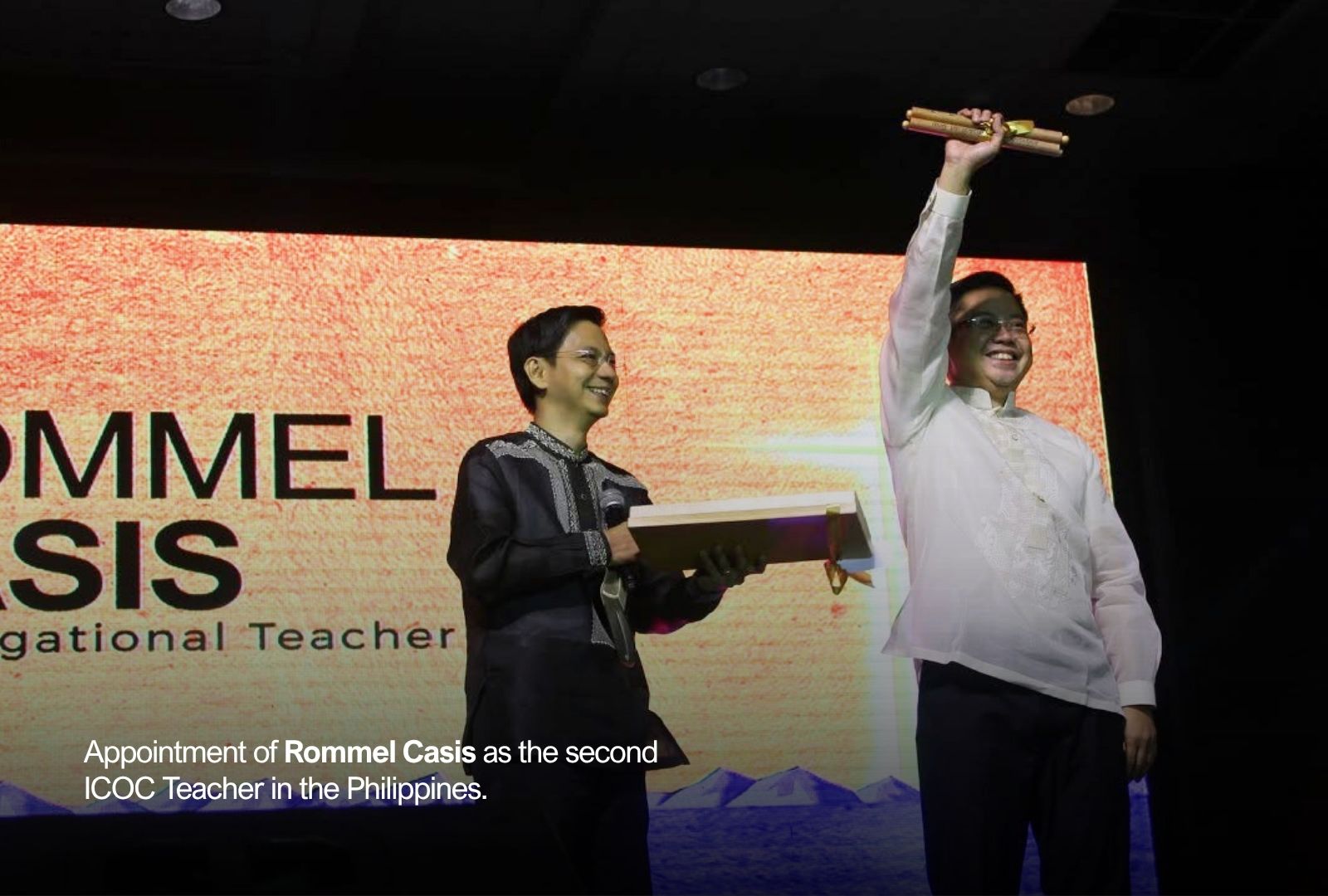
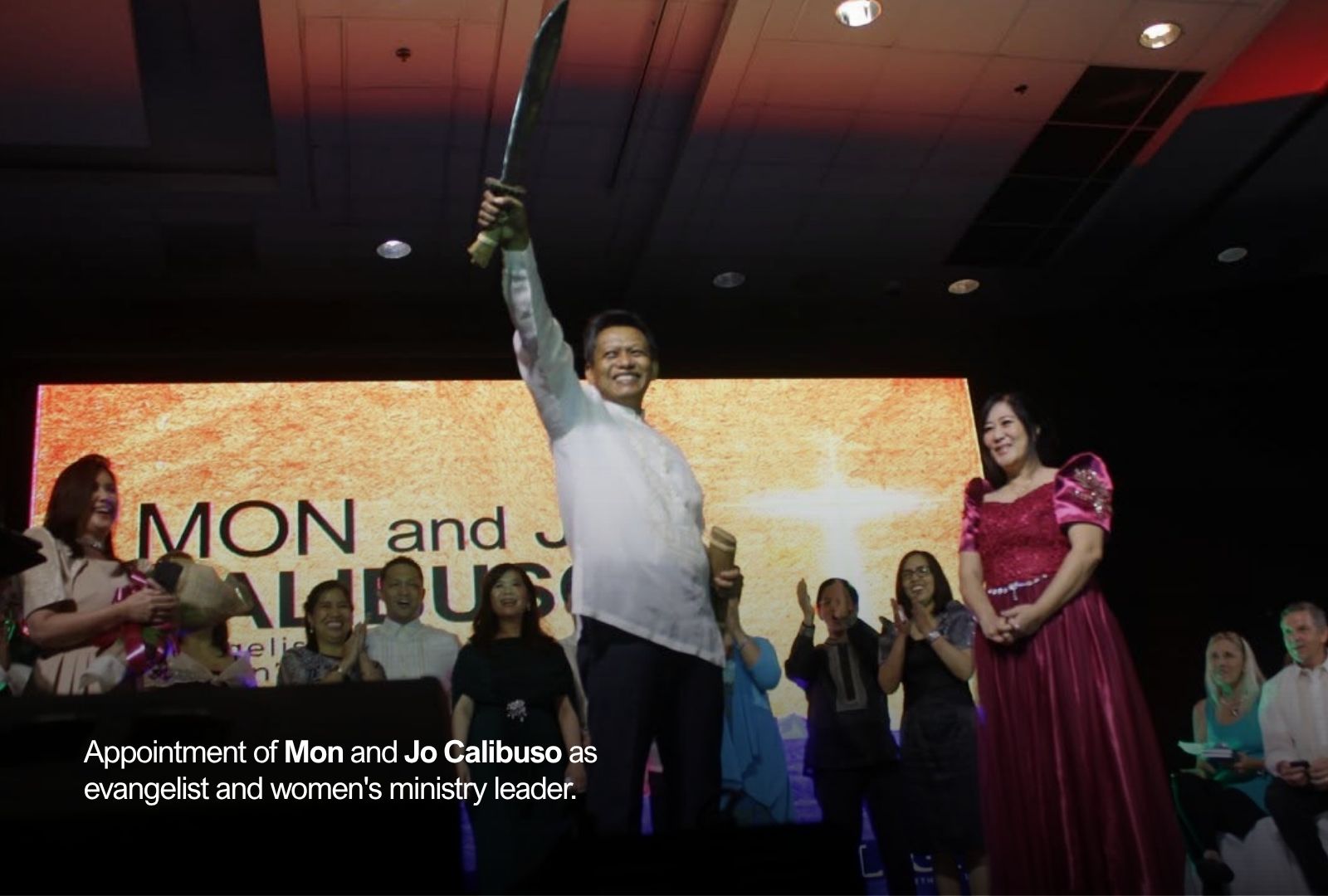
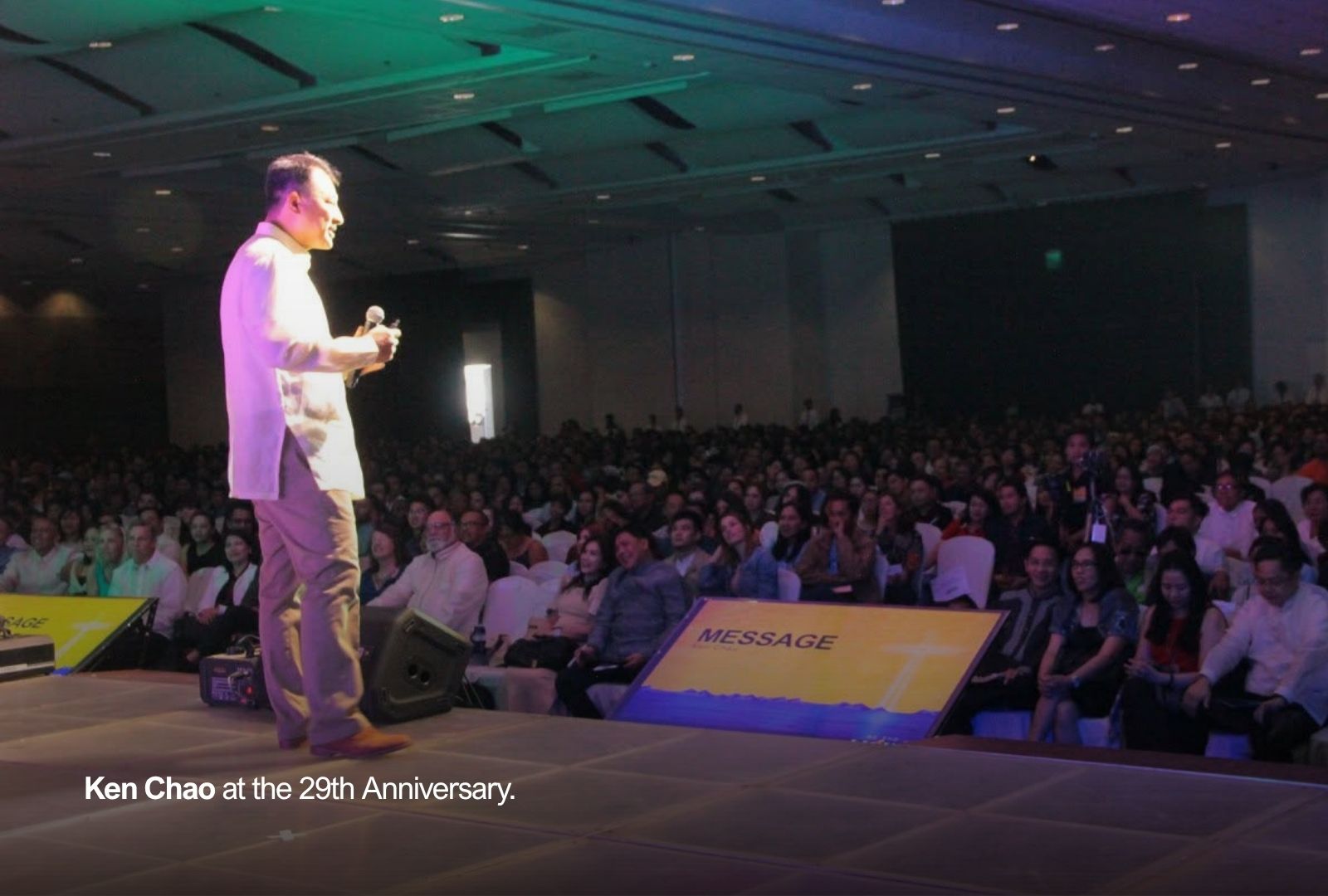
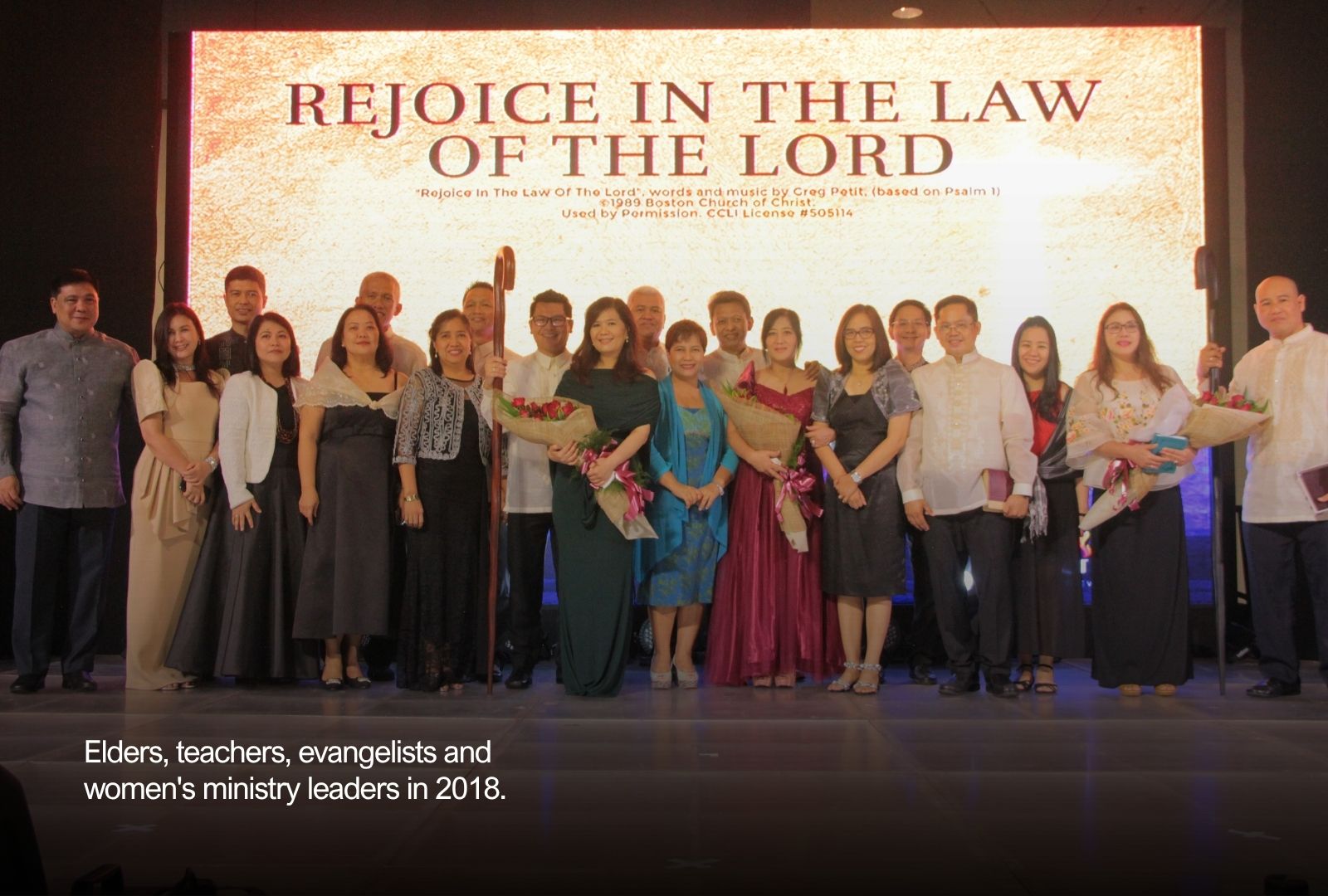
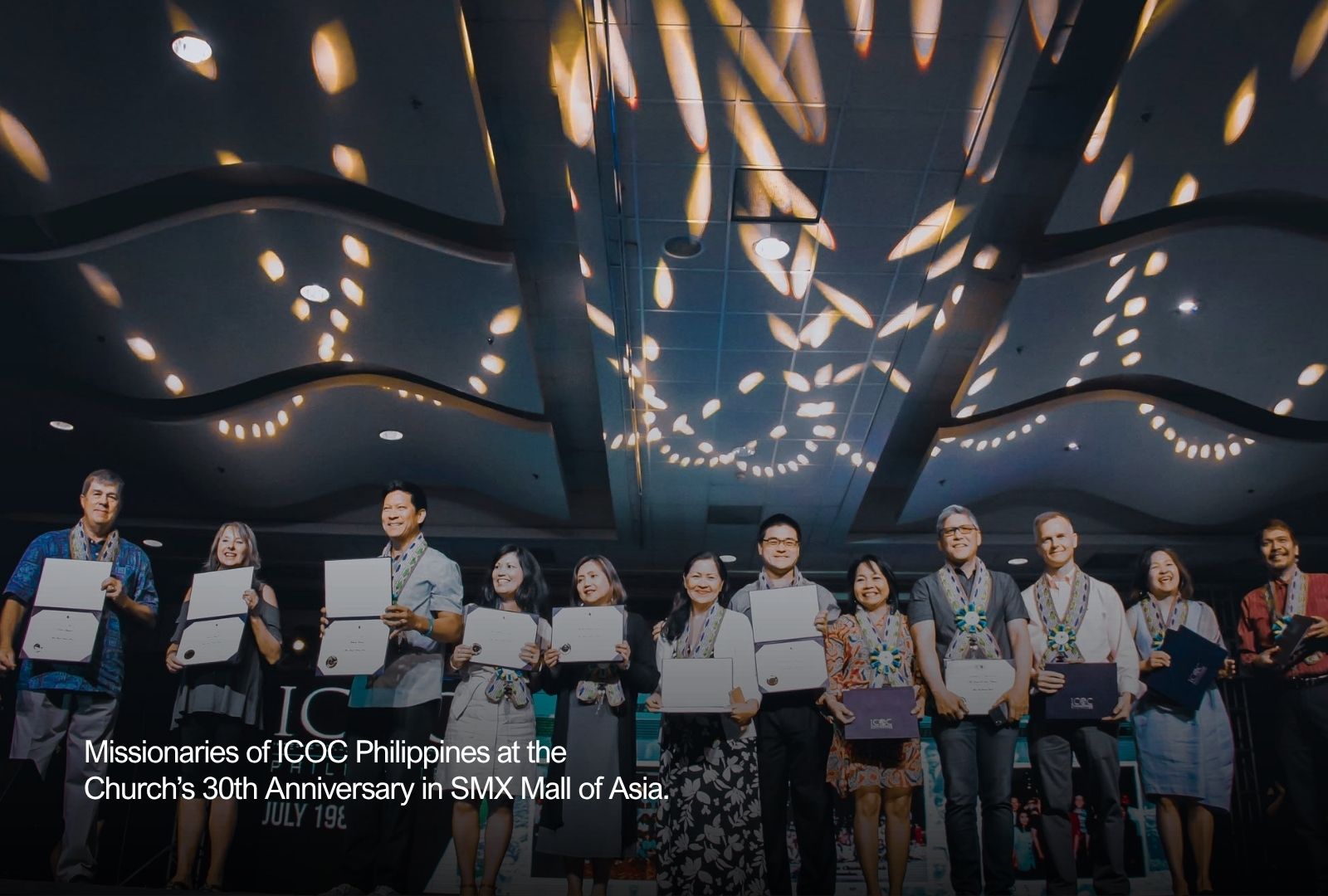
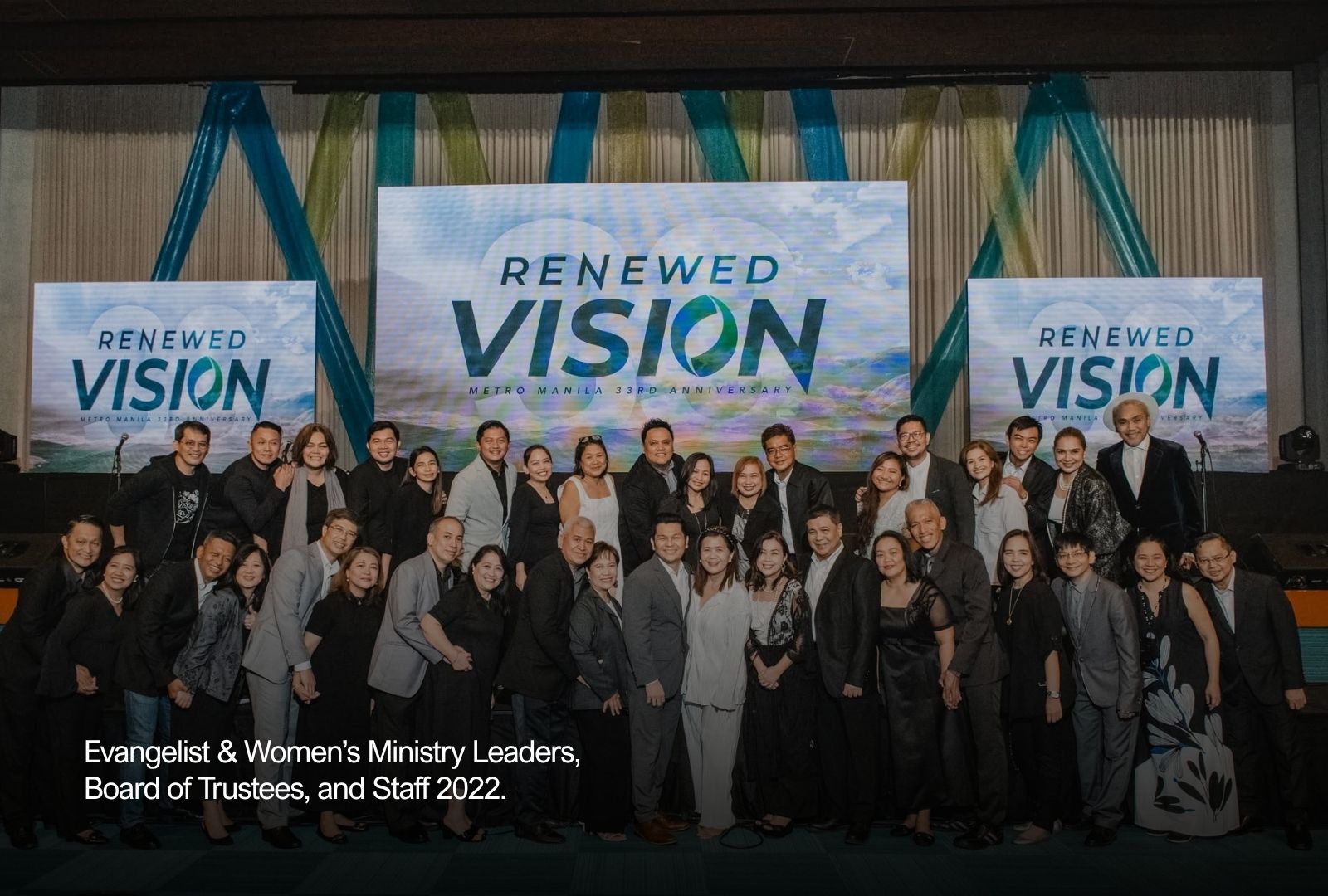
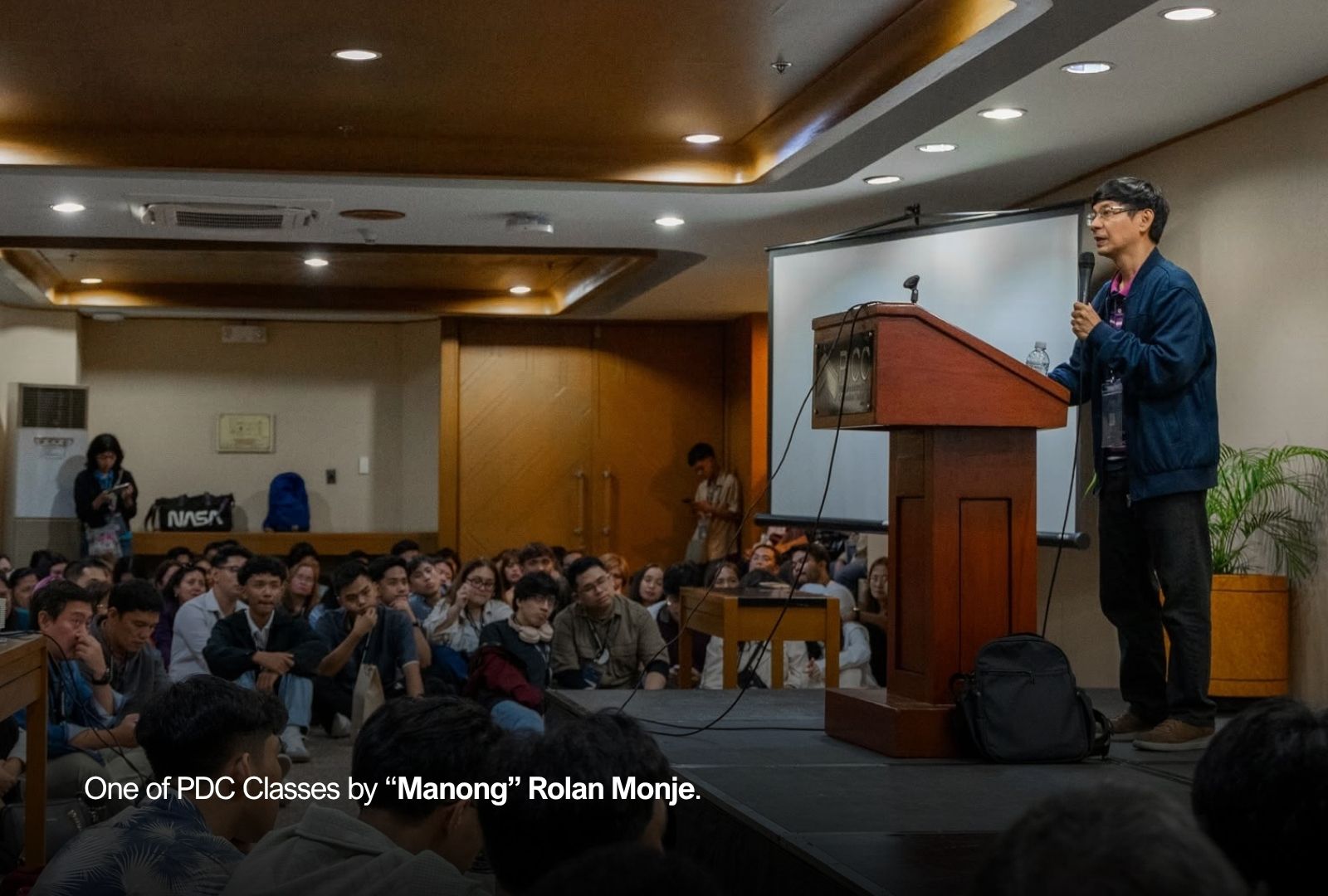
During its 29th anniversary celebration in 2018, the ICOC Philippines marked a milestone in leadership as it appointed a new generation of elders and ministry leaders to guide the growing church. Bobby and Susan Montealegre of ICOC Makati, along with Viano and Bethany Faburada of ICOC Cebu, were installed as elders with their spouses, symbolizing both spiritual oversight and family-centered leadership. At the same time, Rommel Casis of ICOC Quezon City was appointed congregational teacher, joining the first congregational teacher, Rolan Monje, while Mon and Jo Calibuso of ICOC Dagupan assumed the roles of evangelist and women’s ministry leader.
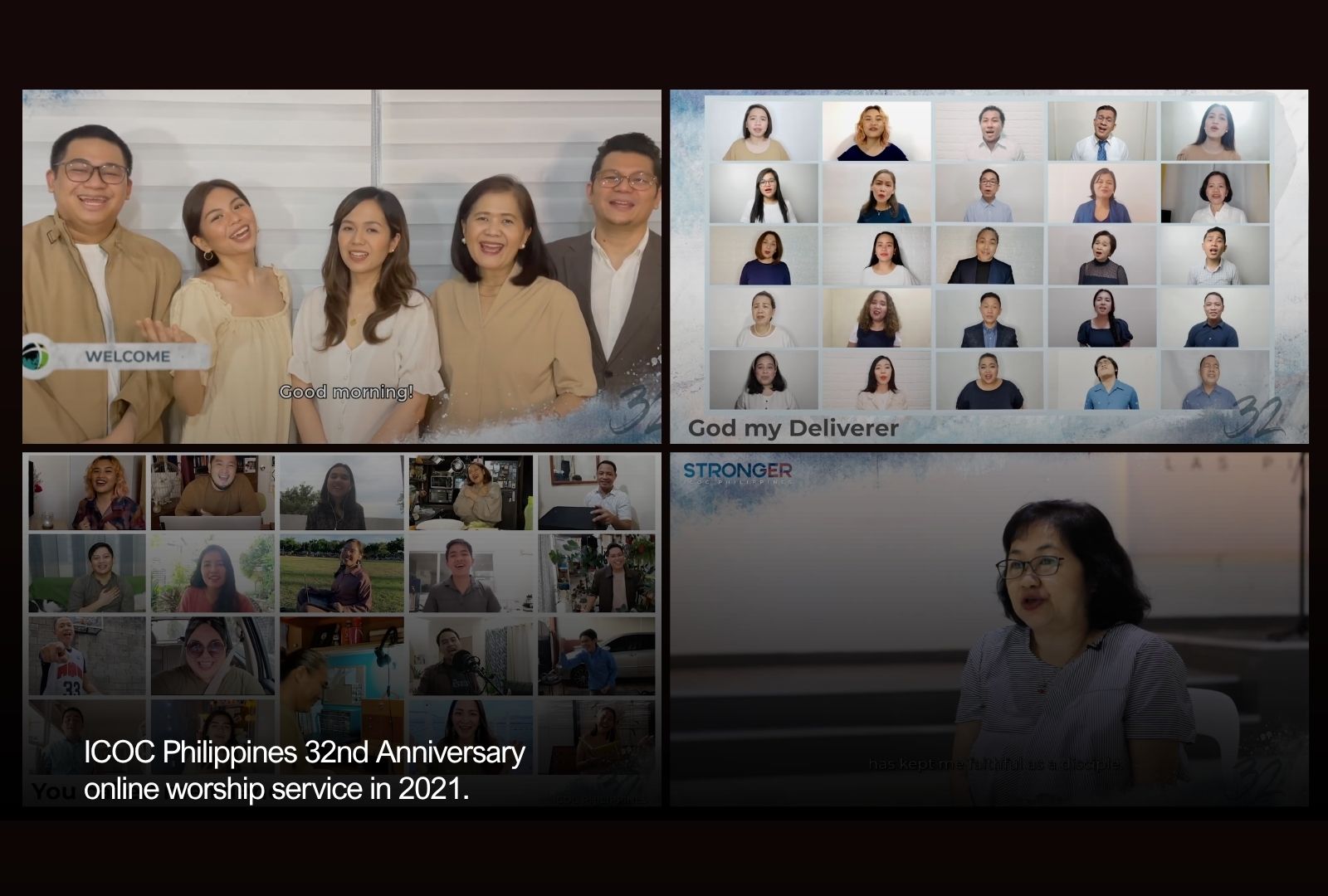
When the COVID-19 pandemic halted in-person worship in 2020, the church adapted once more. Bible studies, devotionals, and worship services moved online, reaching cities and provinces that had never hosted an ICOC church before — sometimes through a single disciple returning home during lockdown.
Technology-enabled cross-city and cross-border discipleship, leading to unexpected growth despite loss and hardship. The church recorded unexpected growth. Even as some members and their families succumbed to the virus, the movement pressed forward, convinced that “God’s word is not chained.”
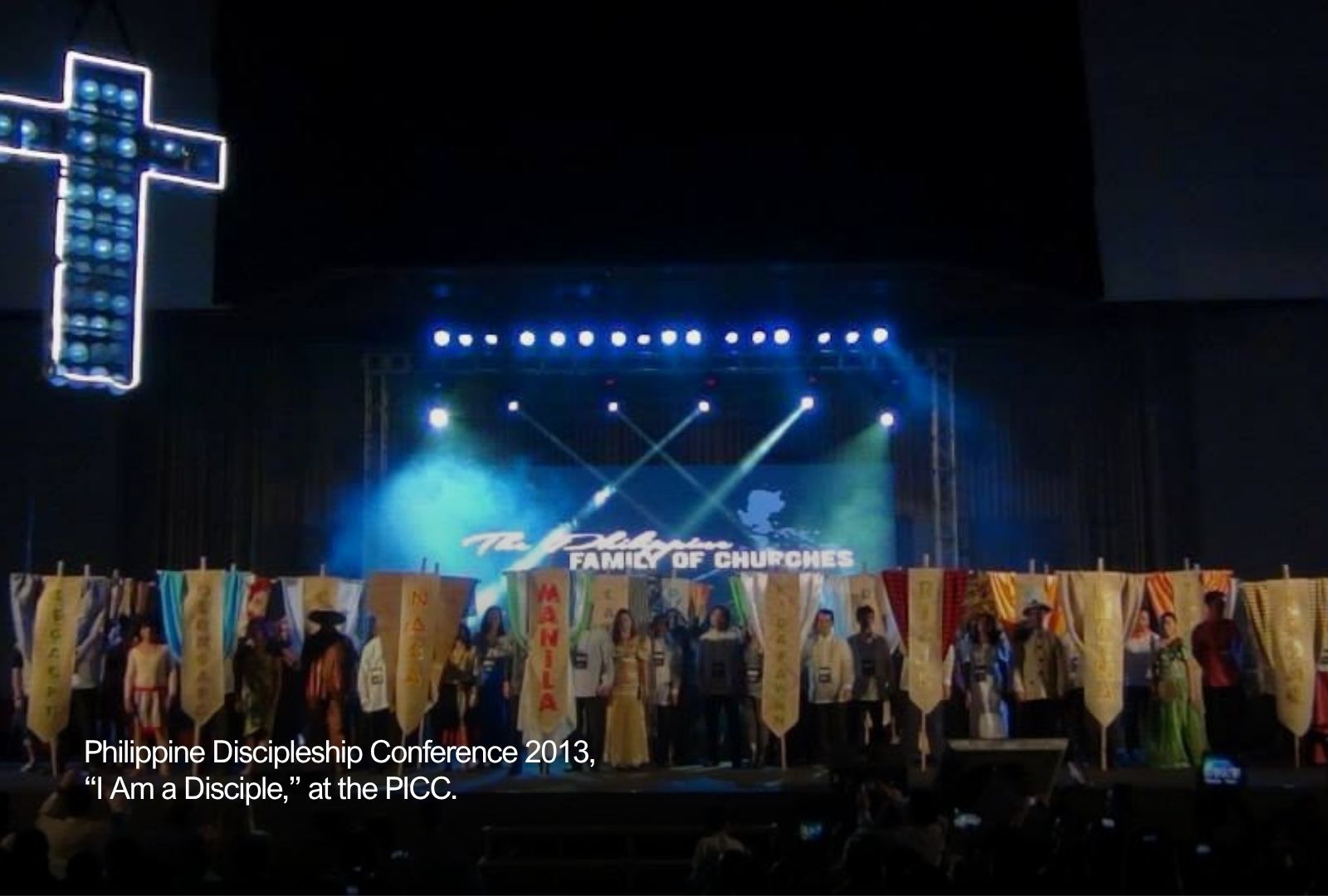
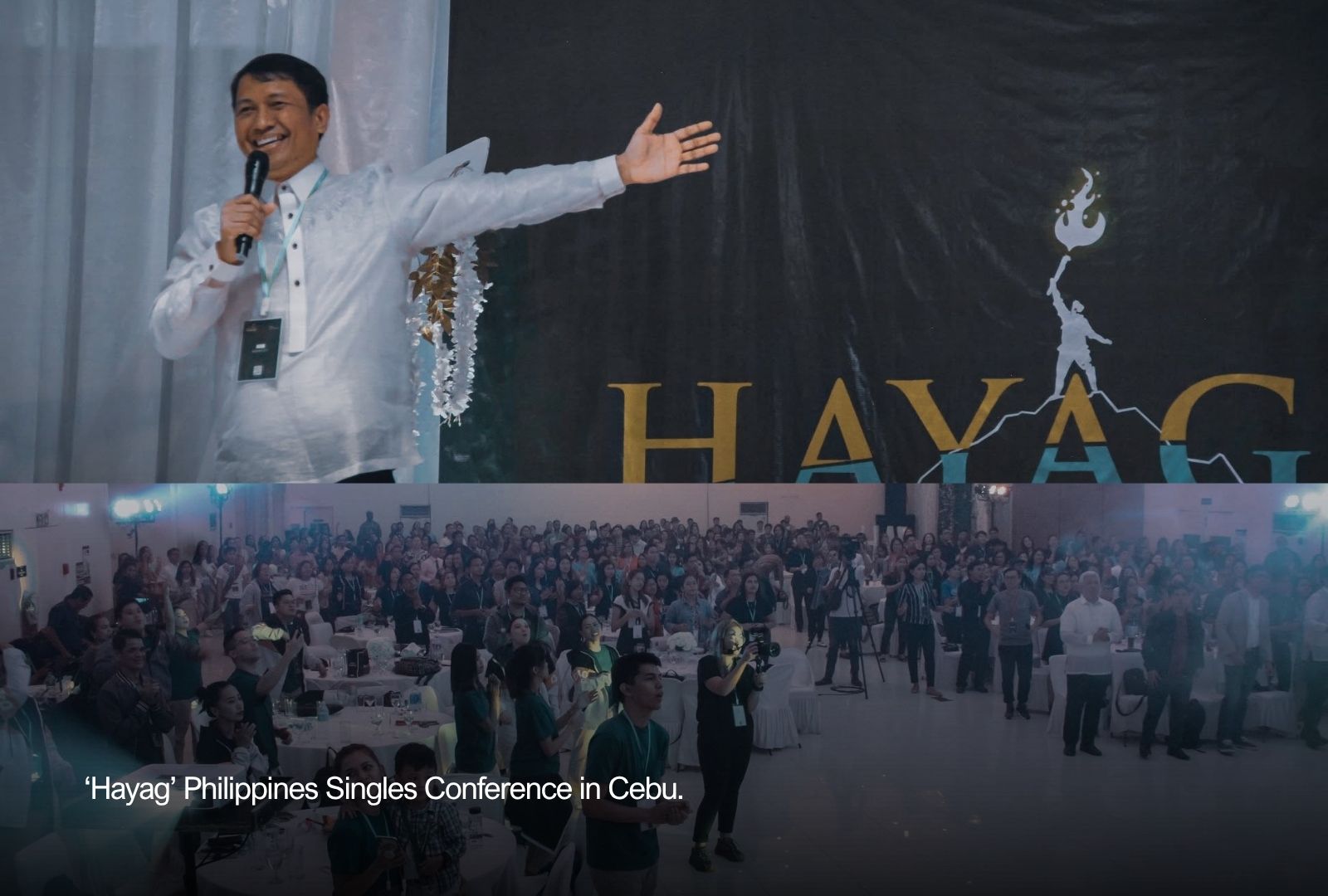
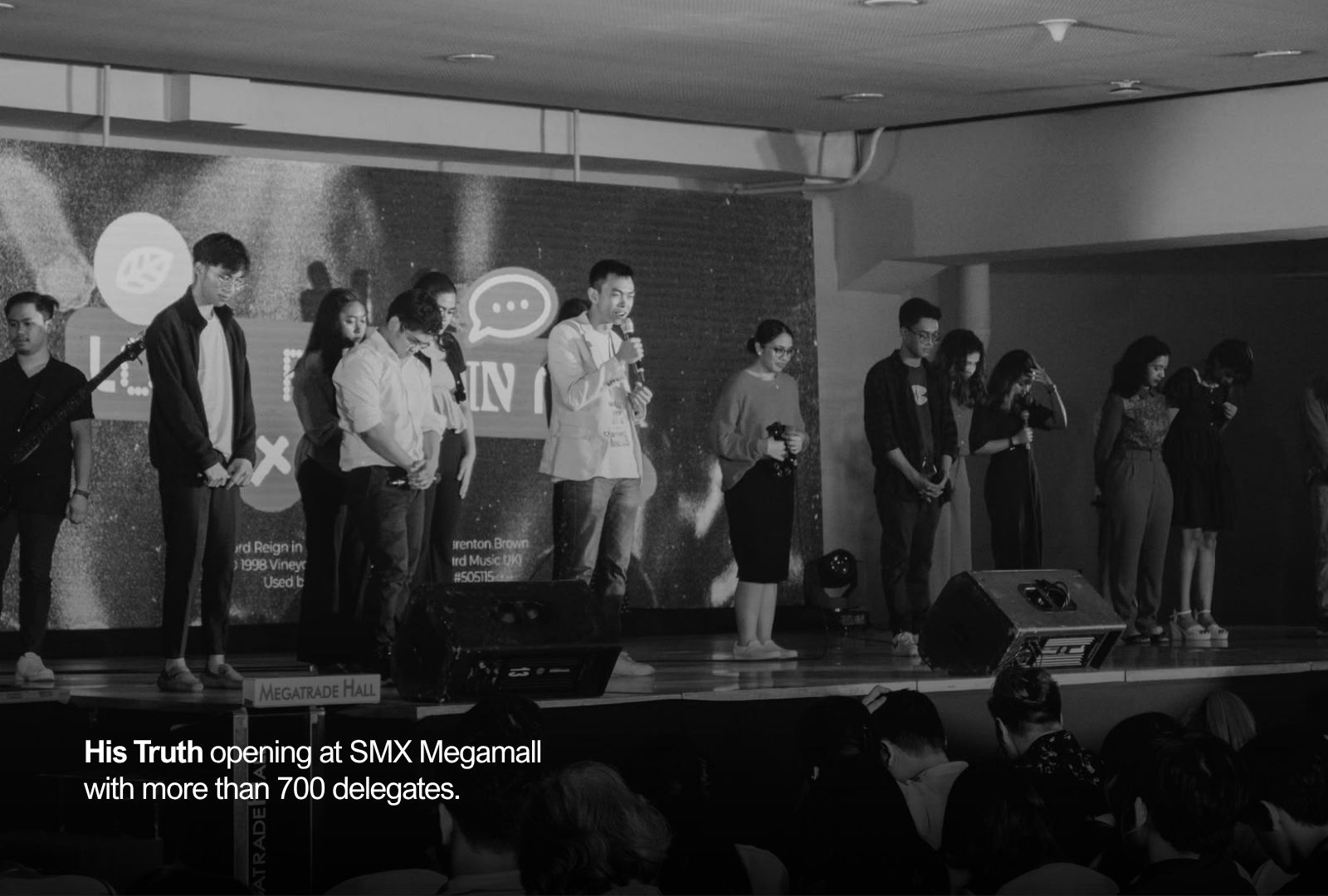
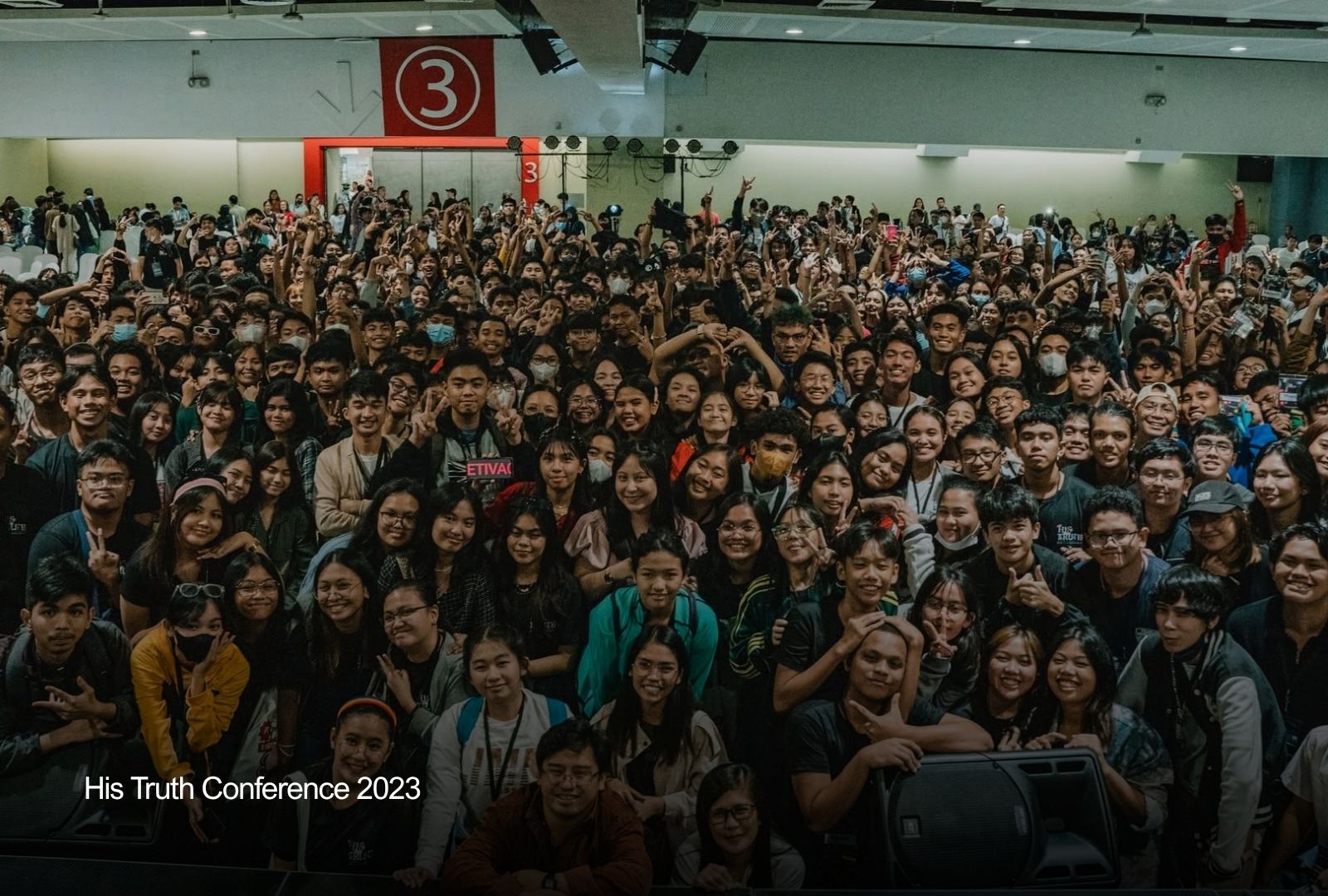
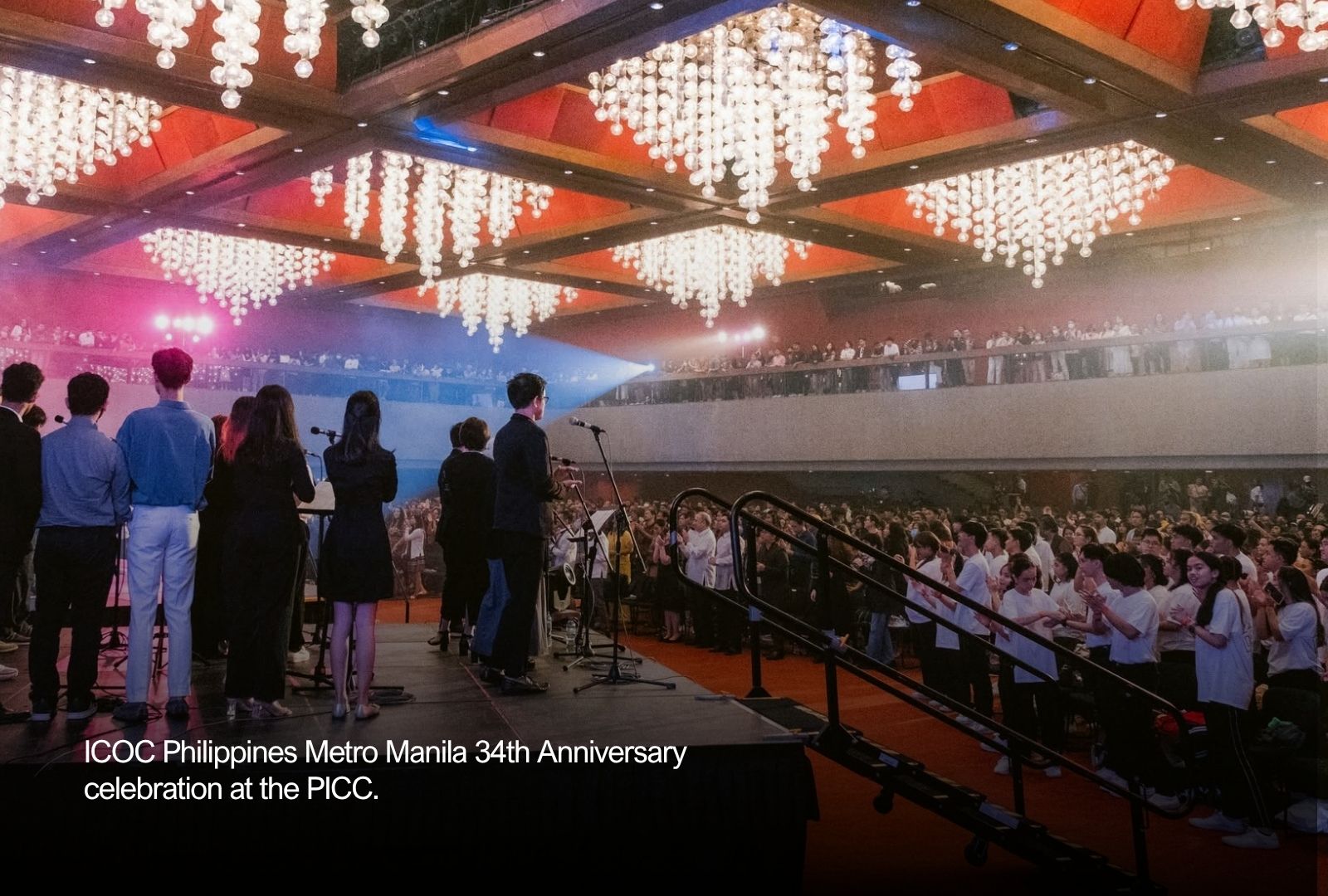
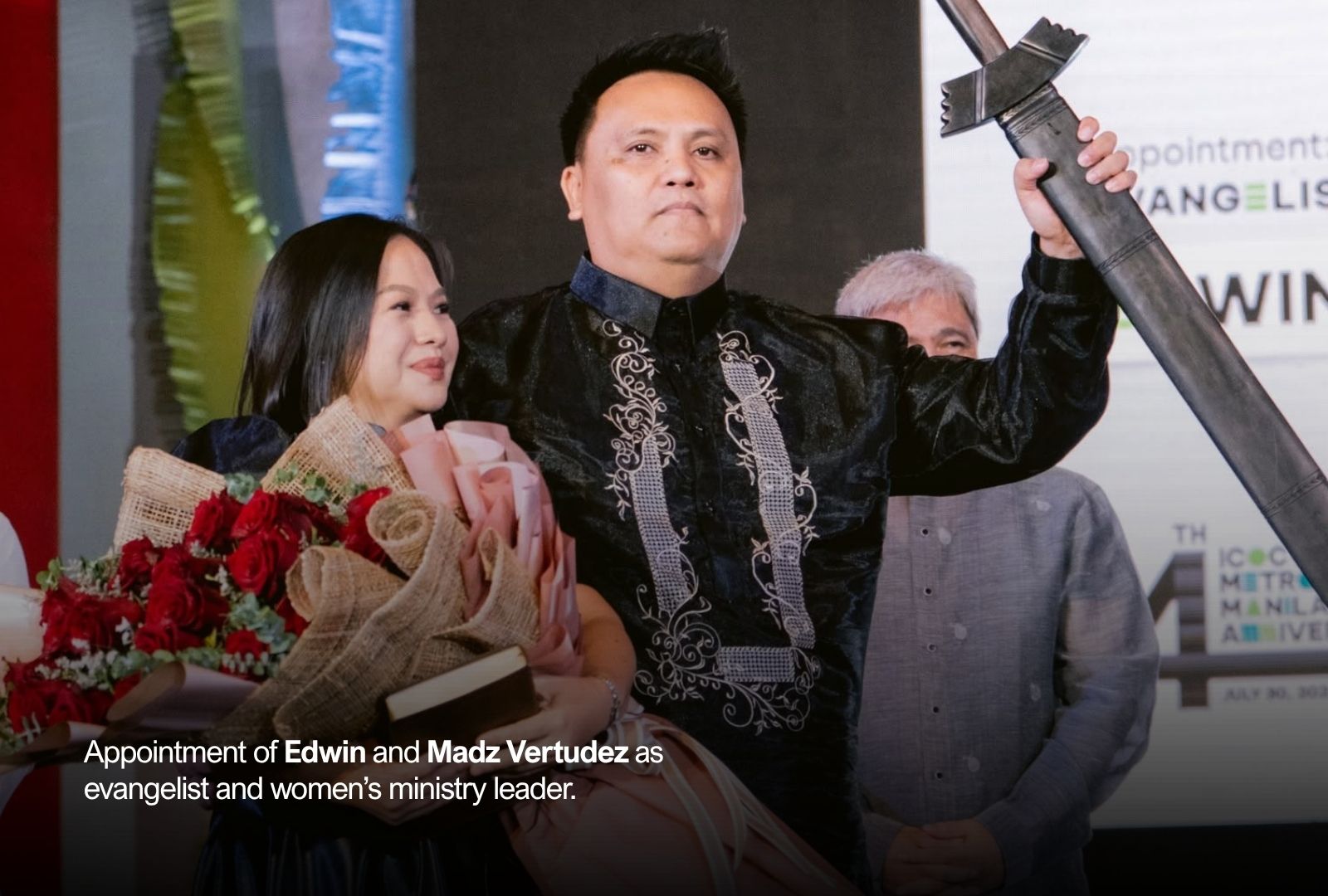
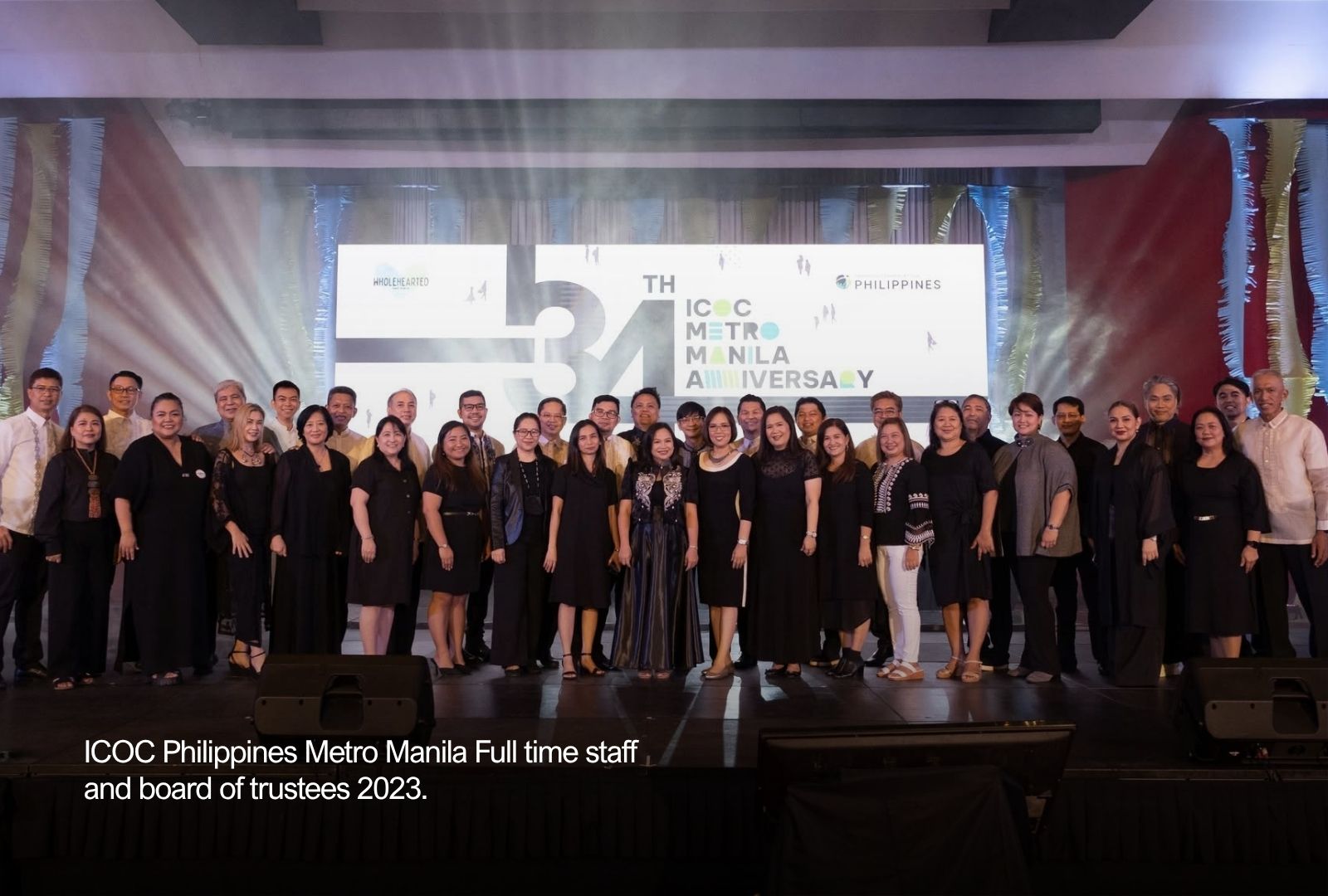
By 2023, the His Truth Gen Z Conference at SMX Megamall highlighted the rise of a new generation with 700+ delegates and that weekend we closed it in a Sunday with that marked 34th anniversary at the PICC with the appointment of Edwin and Madz Vertudez as evangelist and women’s ministry leader.
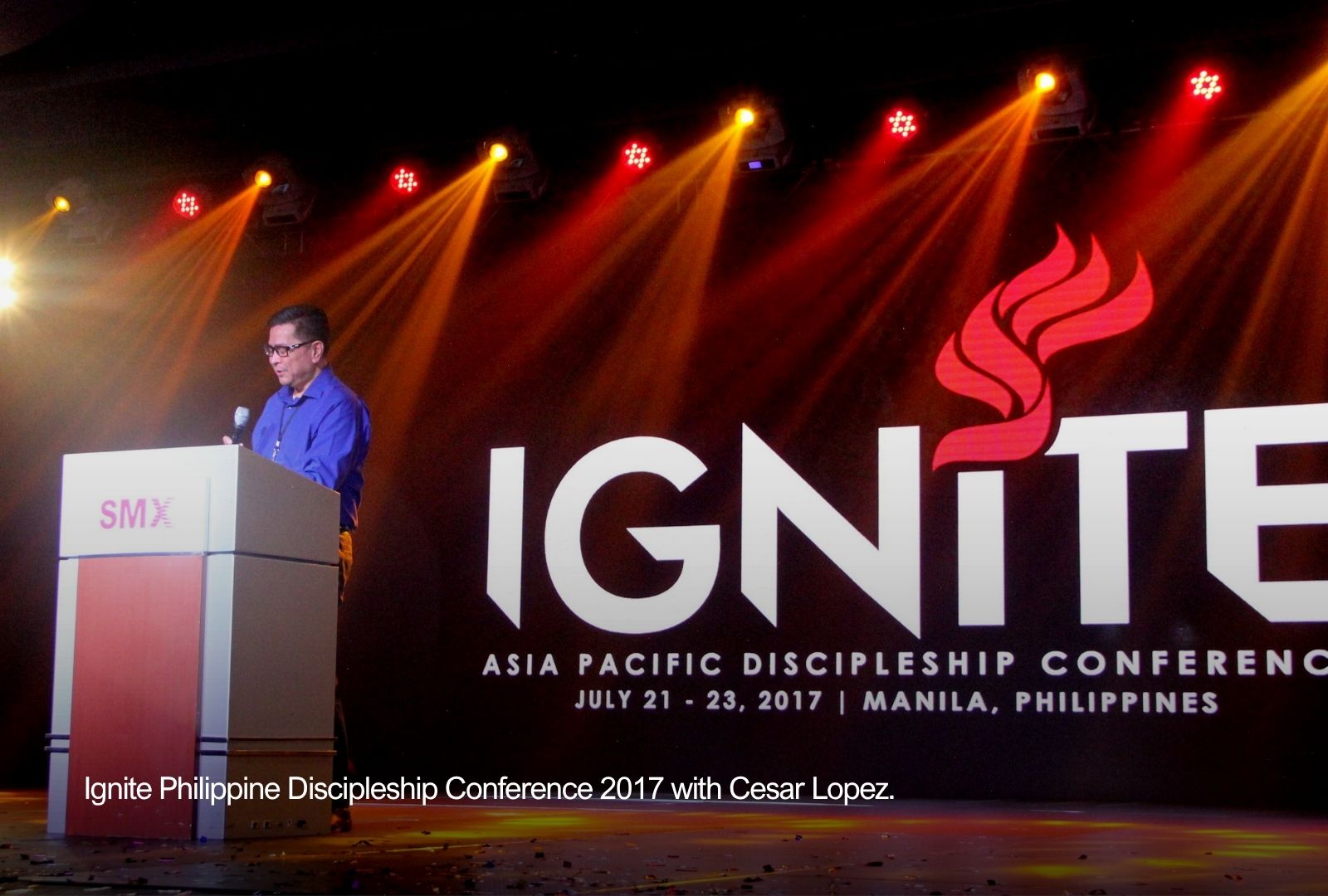
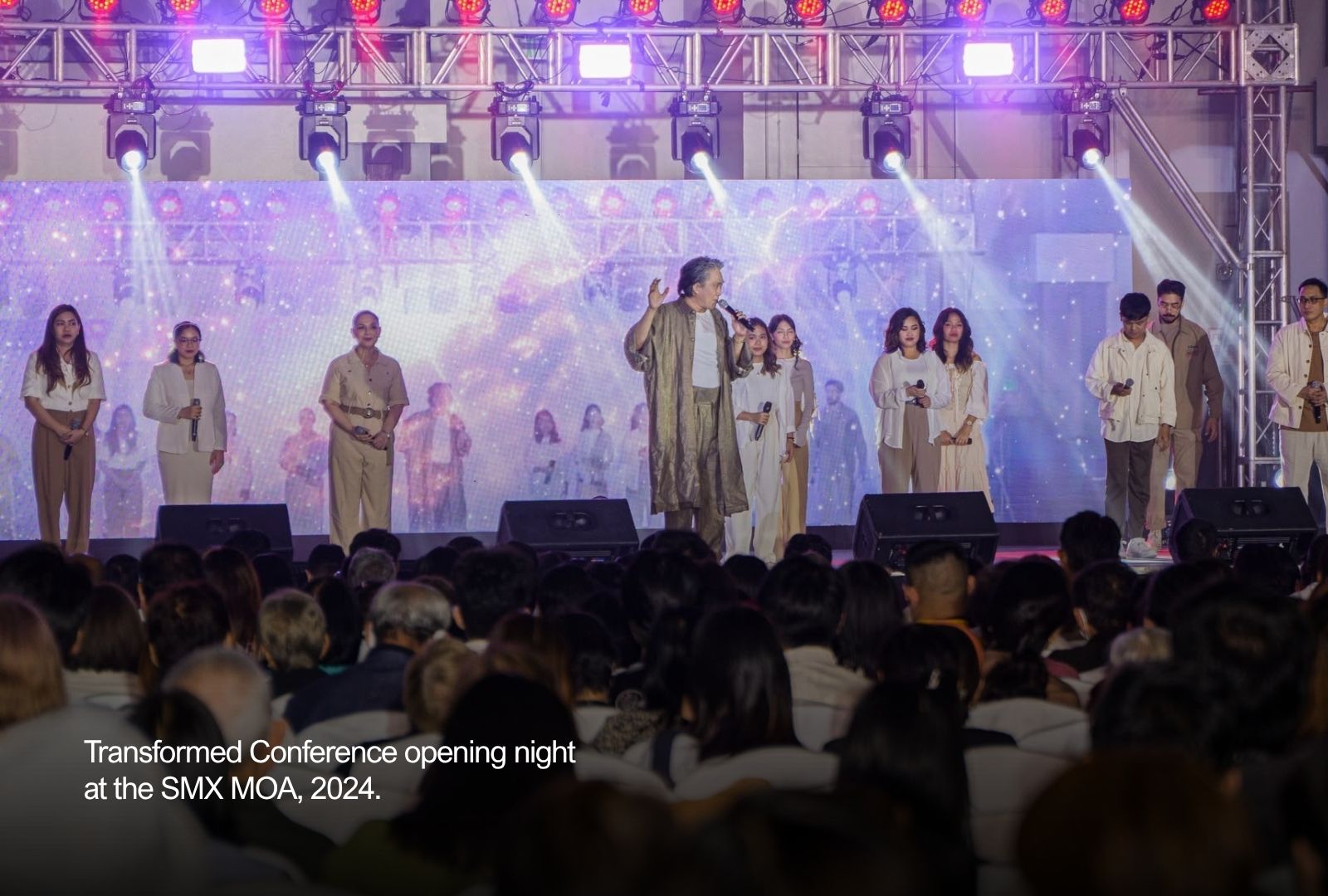
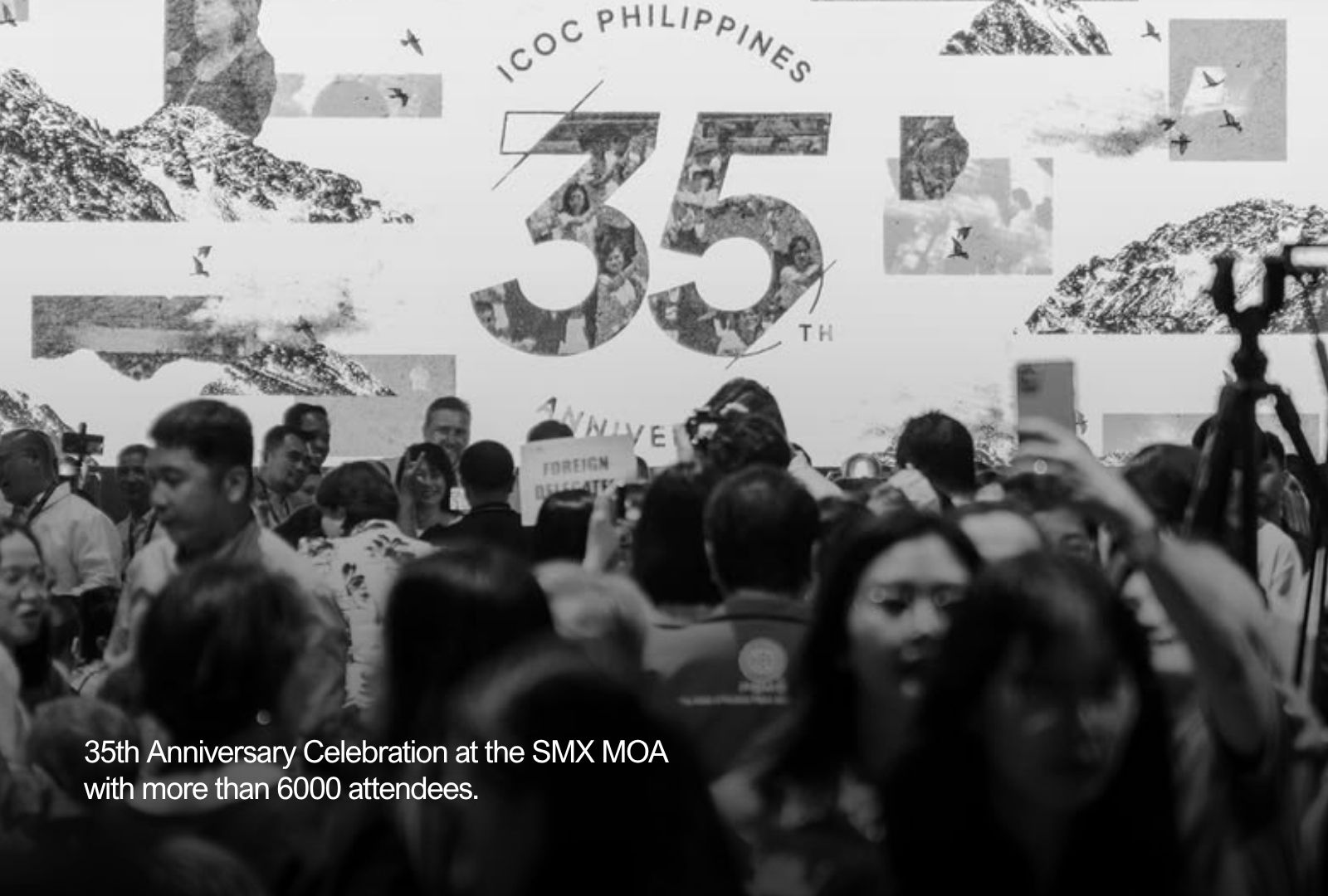
In 2024, nearly 4,000 delegates attended the Transformed Philippine Discipleship Conference, which also marked the church’s 35th anniversary with full packed at the SMX Mall of Asia with more than 6,000 in attendance during the service.
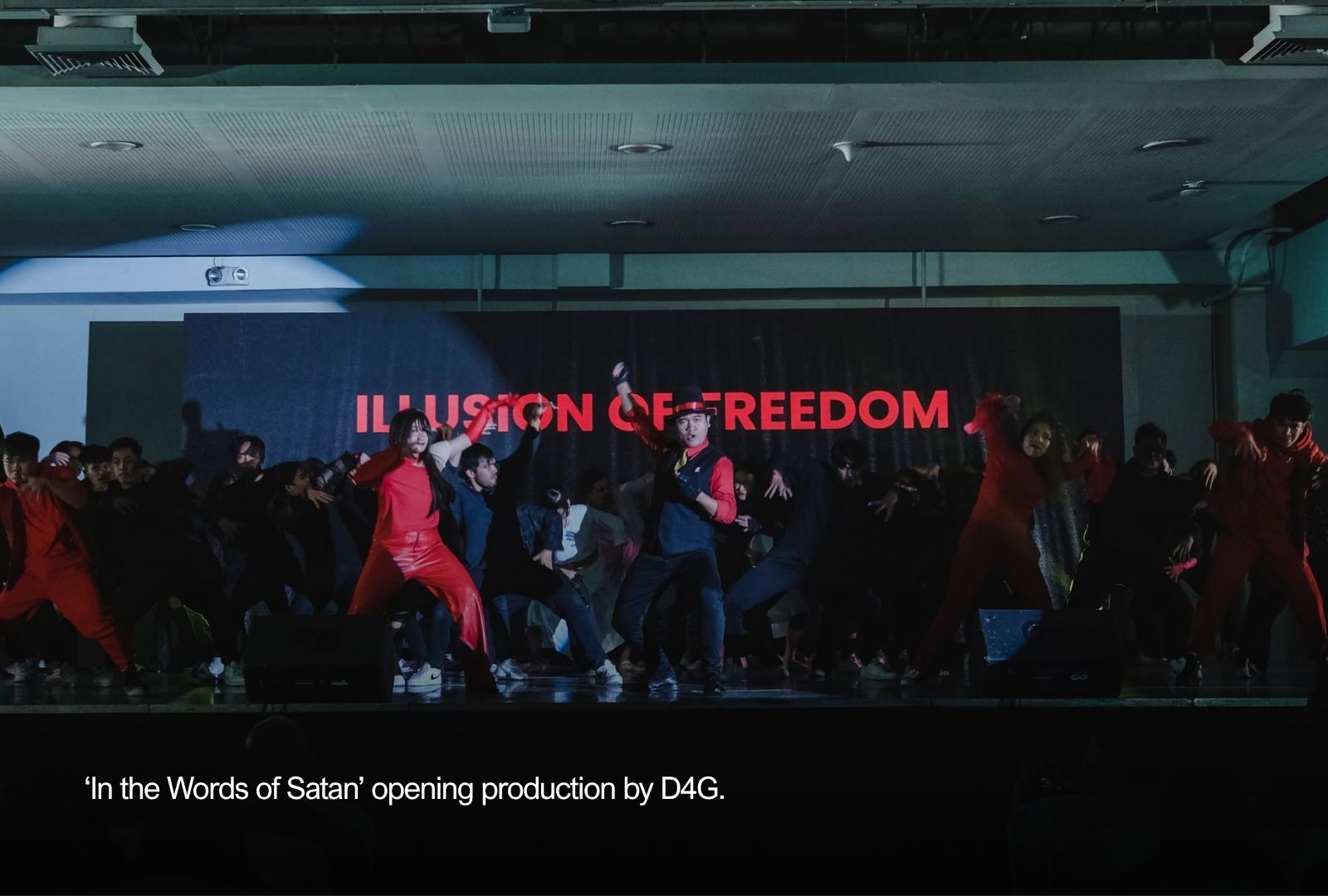
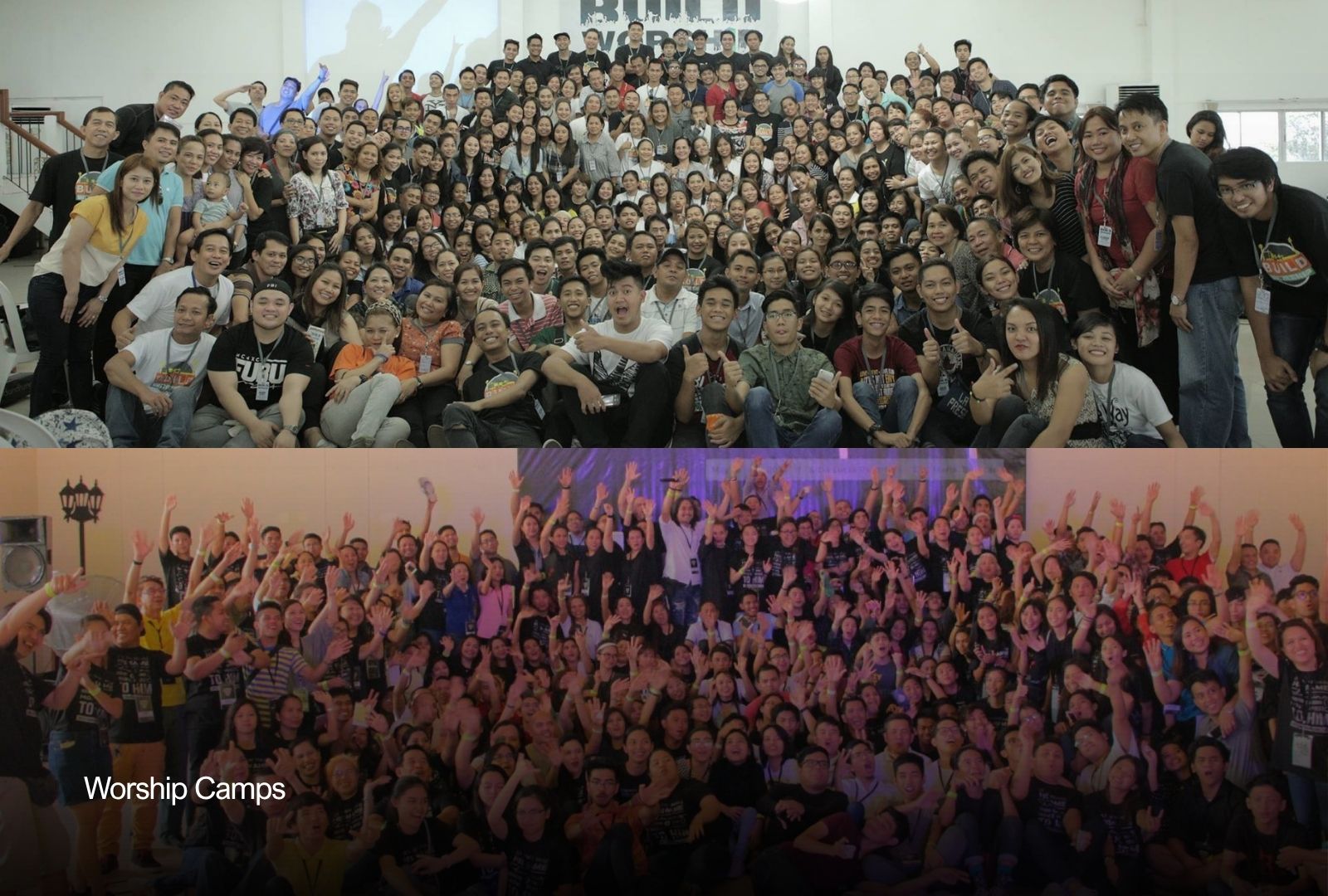
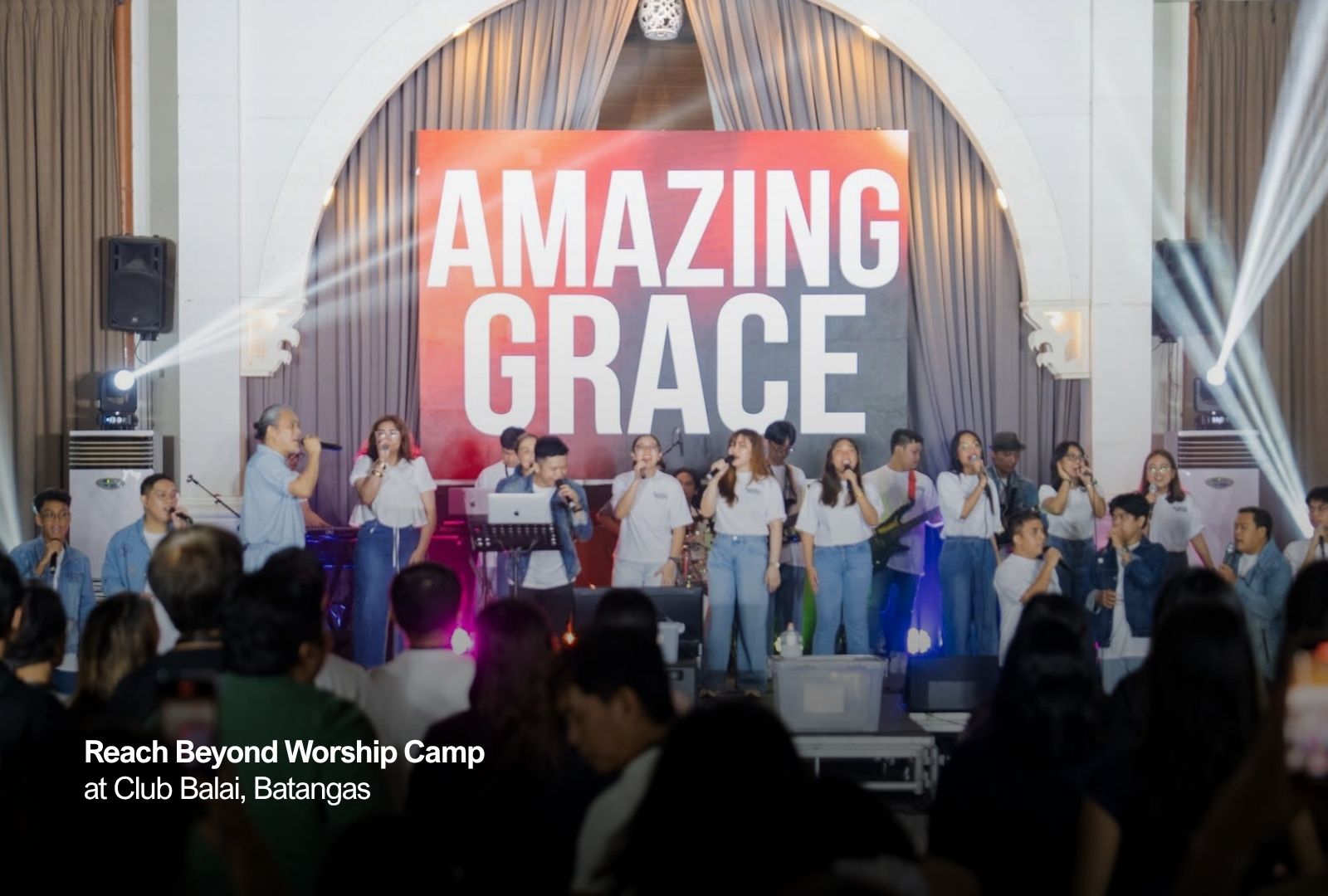
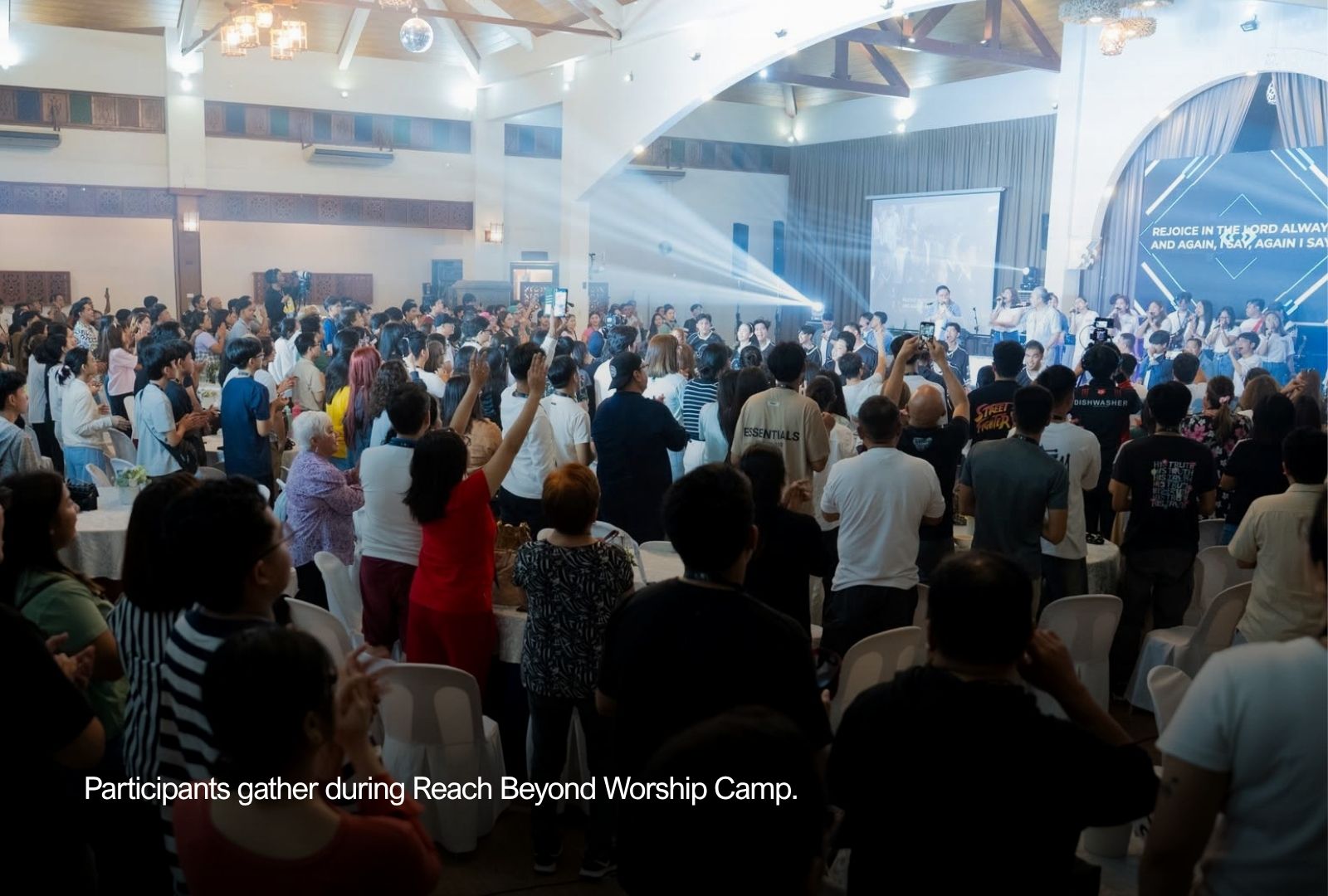
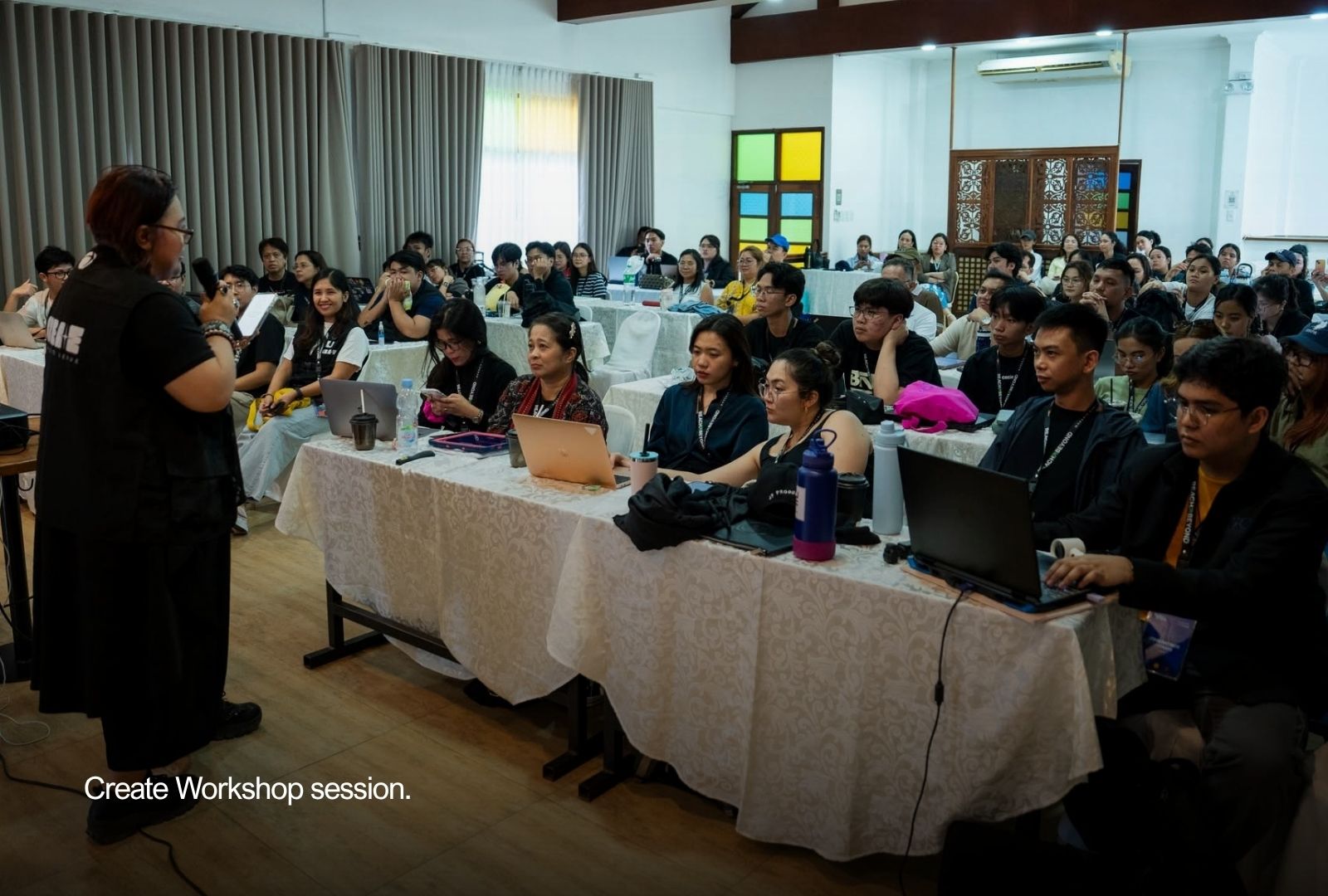
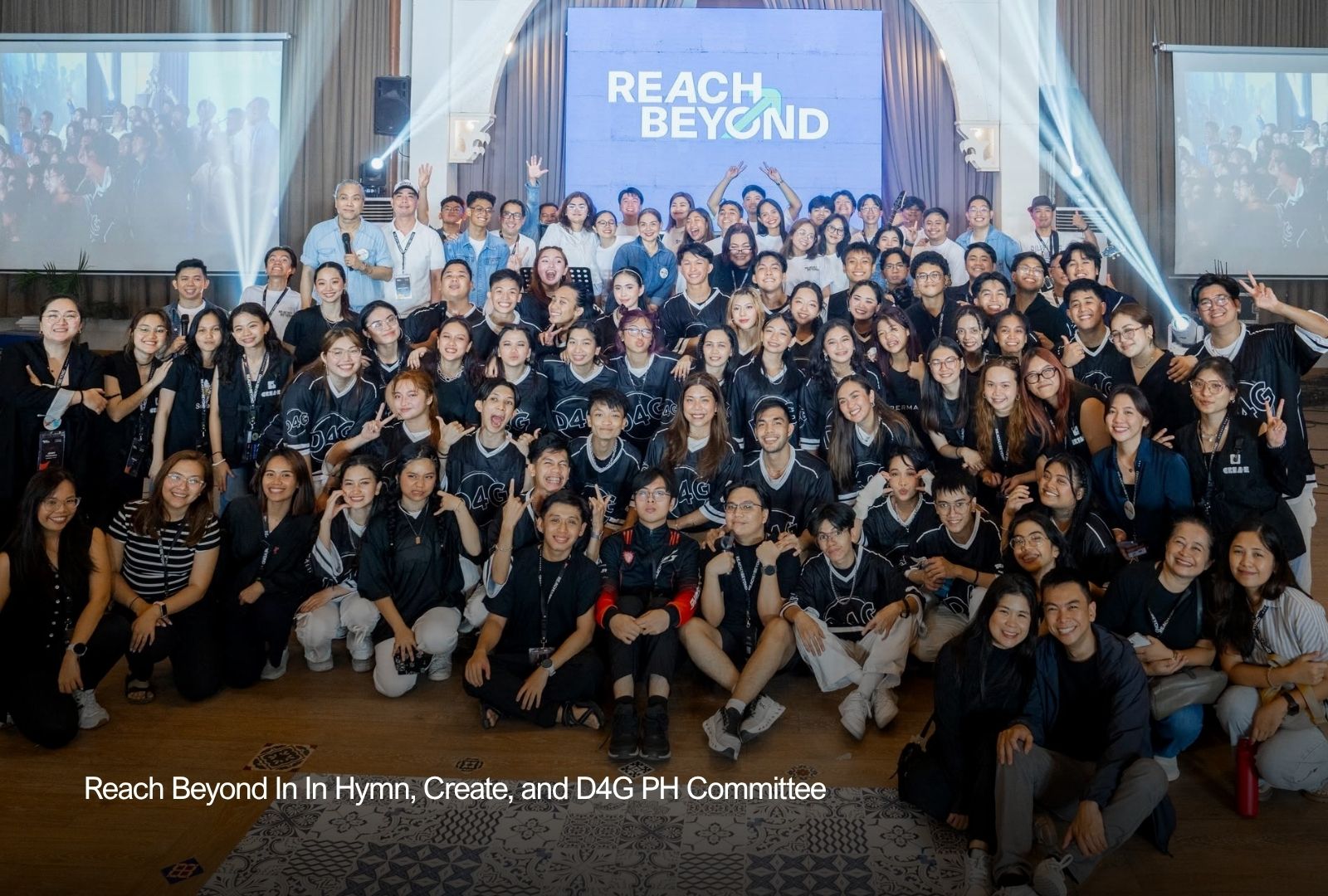
In June 2025, hundreds of disciples from across the Philippines gathered at the Reach Beyond Worship Camp in Talisay, Batangas, for a weekend of music, ministry, and fellowship. The camp spotlighted the church’s congregational worship ministries, including In Hymn, Create (formerly the media ministry), and D4G (Dance for God), giving participants hands-on opportunities to grow in leadership, creativity, and spiritual expression.
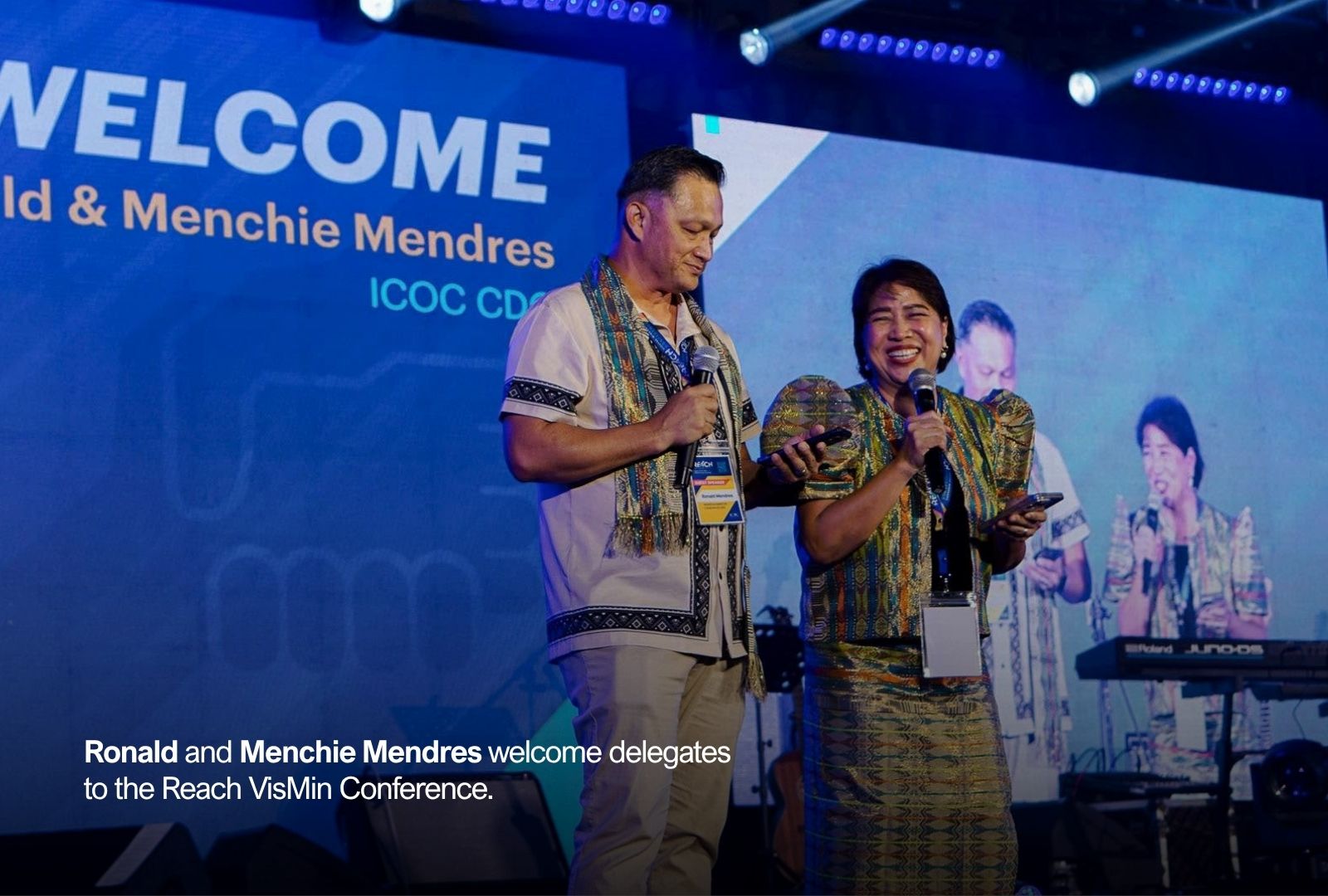
Just two months later, the church celebrated new leadership appointments at the Reach Visayas-Mindanao Conference in August, held in Cebu City. Ariel and Amor Ladores of ICOC Davao, alongside Armel and Noreen Villareal of ICOC Iloilo, were officially appointed as evangelists and women’s ministry leaders.
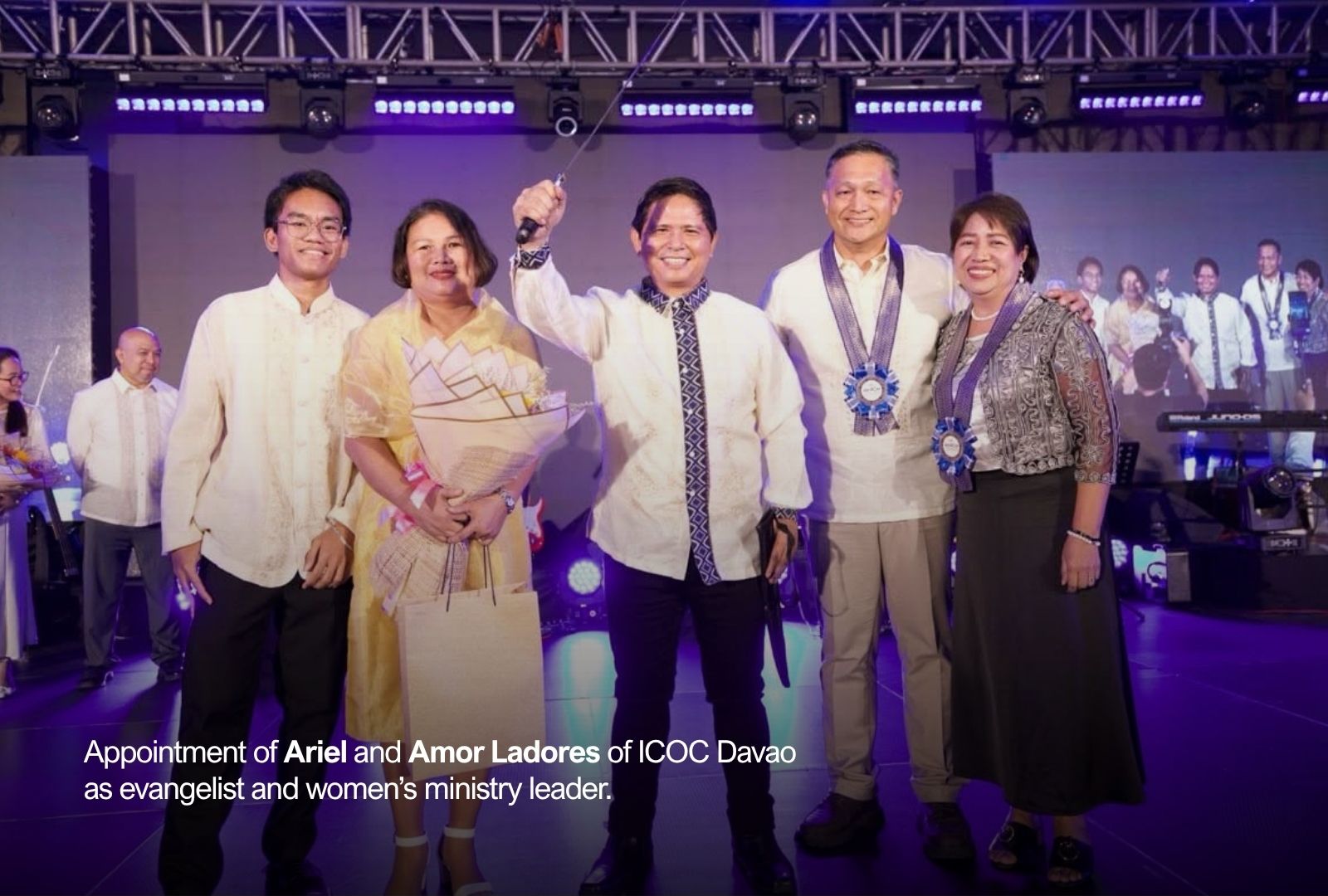
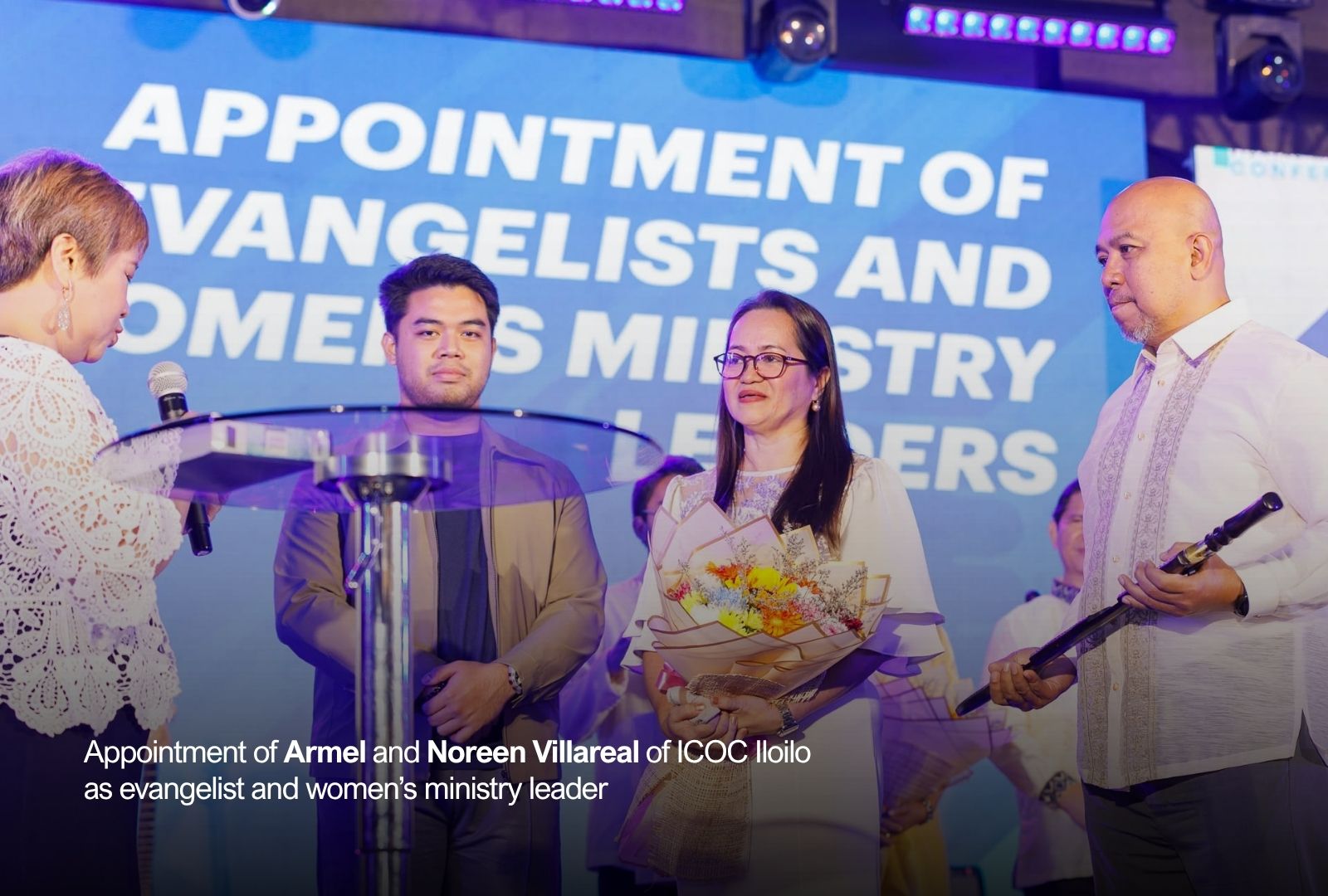
At the start of 2026, ICOC Philippines counted 40 churches nationwide and multiple Metro Manila sectors. This year’s theme, “Thrive,” drawn from Isaiah 44:4–5, reflected a renewed focus on depth, faithfulness, and sustainable growth
Legacy of faith
From 28 missionaries in 1989 to a nationwide fellowship today, the story of ICOC Philippines has been marked by ambition and humility, expansion and repentance, loss and renewal.
Its leaders now speak less about speed and more about depth. Less about numbers and more about discipleship. Yet the original mission remains unchanged: to love God, love one another, and make disciples of all nations.
For a church that has weathered global scrutiny, internal crisis, and a pandemic, the future is no longer framed by urgency alone — but by resilience, repentance, and a renewed commitment to discipleship rooted in grace.
With contributions from Rommel Casis and Faye Casis